With age, an increase in body weight, including body fat, while decreasing muscle mass and strength is a natural phenomenon. The widespread lack of concern about maintaining a healthy weight after the age of 60 is worrisome, as it is a negative phenomenon for health and quality of life. According to the Central Statistical Office in Poland, 78% of women and 82% of men in this age range are overweight or obese.
Is losing weight after 60 definitely good for your health?

Published Feb. 1, 2024 09:00
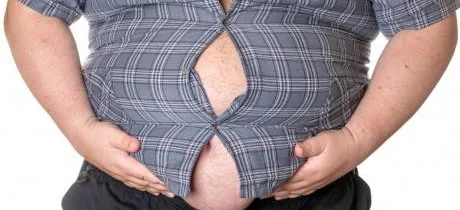
Figures presented by the CSO clearly show that the vast majority of people over 60 are overweight or struggling with obesity. Although problems with excess weight begin to appear in half of the population as early as their 30s, they are becoming more dangerous to health with each decade. Numerous studies confirm that obesity-related heart disease, high blood pressure, diabetes and some cancers contribute to premature deaths. People with a high (over 40) BMI live an average of five years shorter. Entering senior age often makes it increasingly difficult to control a healthy body weight, and habits established over a lifetime further prevent this. The accumulation of extra pounds has several causes. They are genetics, environmental conditions and an inappropriate too-caloric diet. At some point in life, it is also determined by a decrease in metabolic rate and abandonment of adequate physical activity. This, in turn, accelerates the loss of muscle mass, which begins to be replenished by fat tissue. Muscle burns the most calories, so when it "starts to run out" all the excess energy feeds into adipose tissue and the pounds inexorably increase. Hormonal and endocrine changes, especially in postmenopausal women, are often the cause of the accumulation of more body fat. Not insignificant is the deterioration of mental condition, which causes increased preoccupation with sadness and stress and reluctance to take active measures for one's health.
As we age, managing our own weight becomes more difficult, but it is even more necessary than ever before. First of all, because it allows you to stay physically and mentally fit longer, and slow down the aging process and the onset of age-related diseases. Scientists prove that the right lifestyle can turn back the biological clock by 10 years. And the basic key to success is precisely maintaining the right body weight. A problem resulting from being overweight, although it can also affect thin people, is organ steatosis. Visceral fat can surround numerous organs: liver, pancreas, intestines, heart and also blood vessels. Because it is metabolically active, it secretes chemicals that are harmful to health, causing inflammatory processes that accelerate the development of various diseases. In overweight people, the risk of its presence is really high and the problem is that it is impossible just to detoxify a specific organ. Only comprehensive measures, including diet and activity can improve this condition. Most people simply don't realize that its visceral fat seriously increases the risk of cardiovascular disease, atherosclerosis, insulin resistance and type2 diabetes, hepatitis, and can also disrupt glucose and insulin regulation, raise blood pressure, and affect the function of respiratory organs.
It's never too late for an active prevention program. And taking care of optimal body weight after age 60 is a key task not only for individuals, but also for the entire health care system. This is the basis for maintaining a comfortable quality of life into old age, and for the system to reduce medical costs resulting from overweight and obesity. Therefore, it is worthwhile to raise awareness of the elderly by pointing out how important it is for health to maintain proper body weight and a straight limber figure. Undoubtedly, there is a lack of education on this subject in Poland, both among doctors and those concerned. The most important aspect of such activities should be a positive and supportive approach, without naive promises, but encouraging appropriate steps with emphasis on the fact that activity in this regard is not only advisable but guarantees a better quality of life.
Losing weight after 60 has its limitations. It is not the time for drastic diets or exhaustive starvation. It is also no longer the time for extreme exercise, especially if activity was previously limited. Efforts to control weight should be introduced gradually and it is mandatory to consult a doctor or nutritionist to properly assess the degree of risk of the measures taken to their benefits. At this age, a personalized plan of action is necessary, taking into account comorbidities, the results of at least basic tests, and an overall assessment of the body's fitness. Above all, the idea is to avoid potential health problems that may result from an overly restrictive, unfit diet or excessive physical activity. It has been proven that activity alone in the 60+ group if not combined with diet admittedly has little effect on weight loss, but only minimizes loss of muscle mass and counteracts loss of bone density. However, this is an obvious advantage.
Through a combination of diet, which should limit the number of calories ( it is recommended to reduce energy requirements by 500kcal/day), a change in lifestyle to moderate sports, taking care of sleep comfort, mental relaxation and maintaining social activities have a positive effect on maintaining proper weight. It has been proven that there is a close relationship between obesity and various limitations in the daily life of the elderly. Therefore, given the expected life expectancy, it is worth taking care of one's weight and figure after the age of 6o, if only to ensure that the next decades will be marked by good life energy.
.