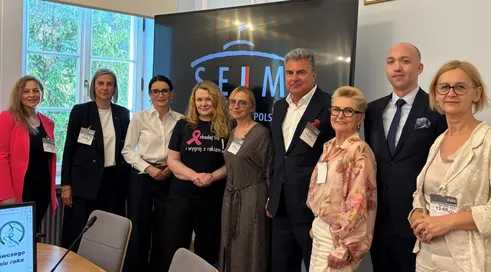
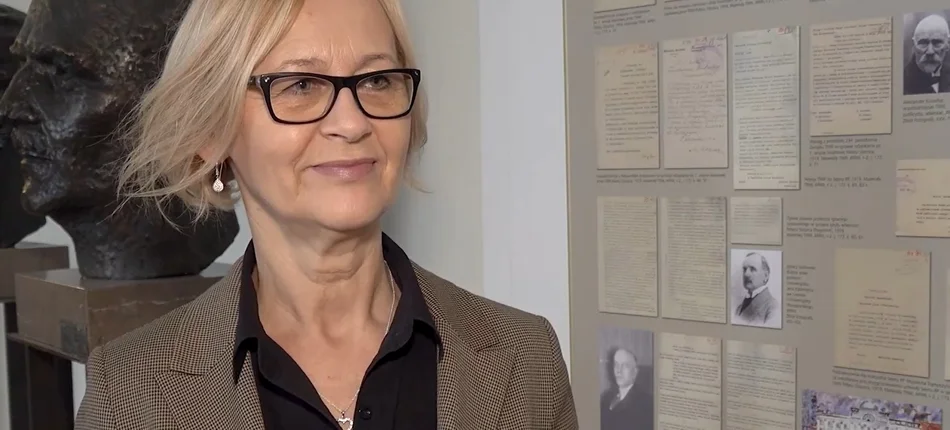
An interview with Anna Kupiecka, president of the OnkoCafe Foundation.
Anna Kupiecka: access to molecular diagnostics allows implementation of modern treatment

Published Feb. 28, 2024 11:09
What is patient awareness of genetic testing and is there a need, from the perspective of patient organizations, to provide access to comprehensive genomic profiling as soon as possible?
Awareness among oncology patients about molecular testing, about human genetics, is already very high for today. Patient organizations and the media are doing quite a lot of education in this area, so knowledge among patients is increasing. We see this by the fact that more and more questions about the possibility of genetic testing, molecular testing, come up at our meetings with patients. Patients are calling with these questions, and no longer only those about the patient himself, who is already under diagnosis, suspected cancer, or under treatment, but more and more questions about the possibility and advisability of testing among the family. A great deal of work still needs to be done in this area, as patients their relatives often wander and try to reach reliable sources of knowledge.
And what does access to such diagnostics provide? How does it change the patient's perspective?
Access to genetic diagnostics makes it possible for a patient to receive modern, effective treatment. It is excellent if molecular diagnostics, broad panels of molecular tests, are performed at the very beginning, from the very diagnosis of cancer. Ideally, it would be possible to perform them already together with histopathological examination. Unfortunately, this is not the case. Patients do not always have the knowledge at the beginning, in addition, they are burdened with many other factors, topics, issues that they have to organize in the functioning of the family and the patient. Sometimes it actually happens that they do not have this awareness. Meanwhile, it is extremely important to determine the profile of the cancer or the mutations that caused it. This will allow the selection of an effective therapy. Targeted treatment is available in Poland, but too rarely used. The doctor doesn't always have the tools to be able to decide what the most optimal therapy for the patient will be, because he lacks precisely the result of molecular testing. This is where the disparity between what we could do for a person and what we can do in practice comes in.