According to the latest CSO report on the situation of the elderly in Poland in 2022, the number of people aged 60 and over will reach 9.8 million, up 0.7% from the previous year. The largest age group among our country's seniors is already 65-69 years old. Women predominate among the elderly, with 139 women for every 100 men. And what are the prospects for the future? The data leave no doubt - Polish society is aging at an alarming rate: in 2060, 11.9 million elderly people are expected to live in Poland, 21.0% more than in 2022, accounting for 38.3% of the total population. The Polish Home Care Association is drawing attention to emerging new challenges in providing basic care. Many Poles cannot afford to provide for themselves and their families in old age. There is also no insurance in Poland to provide dignified care for those who will require this assistance. Meanwhile, the Polish care industry is developing relatively well... but abroad, mainly in Germany.
Grandmother's and Grandfather's Day 2024
More and more elderly people in Poland. The latest data and challenges for care

Published Jan. 22, 2024 08:52
Thinkstock/GettyImages
According to the CSO report, the majority of senior citizens in Poland live in cities. The highest percentage of people over 60 was recorded in the Świętokrzyskie province. According to forecasts, the number of seniors is expected to grow steadily until 2060. This is a great challenge for the state. Already the waiting time for doctors of selected specialties is several months or even years. More geriatricians will be needed, of which there are currently only more than 500 in Poland. A great problem will also be the insufficient number of caregivers working in the Polish market.
Aging is not a very attractive topic
The CSO report draws attention to the huge problem of the aging Polish population. Meanwhile, as the Polish Home Care Association points out, there is very little talk in our country about the challenges involved. Poles should demand better systemic care for seniors and proper care for them, as statistical forecasts leave no illusions.
- The topic of aging has still not gained due attention in Poland, meanwhile, confronting the problem of providing care for seniors in their own homes is becoming inevitable. This is a significant challenge to civilization, because we are threatened not only by the deterioration of the quality of life of the population, but also by the complete collapse of the pension system. We have more and more seniors, and it is the children of the elderly today who most often act as caregivers. Therefore, we must remember that with the growing role of dependents, we are losing doubly and sometimes even triply - younger people often give up their careers to take care of their parents, stop paying contributions, and then decline in health themselves. The solution is professional care, but under the current system Poles cannot afford it. Changes in the insurance system are needed, and we are trying to bring this issue to the attention of policymakers. Another problem is the insufficient and inadequate assistance from local governments to meet the growing needs, as they are responsible for subsidizing and implementing care services in a given municipality," says Ada Zaorska, chairwoman of the Polish Home Care Association.
Polish caregiver not for a Pole?
Paradoxically, the professional long-term care industry is well developed in Poland. Polish companies many years ago recognized the huge demand for home care in the rich countries of old Europe. Over time, we have become leaders in this industry in the EU market. It's just a pity that development in Poland is impossible at this point, even though the demand is huge. Our companies would like to operate in the country, but unfortunately, currently few compatriots can afford to use their services, even if caregivers would agree to work for minimum wages. Owners of care companies unanimously say that their main problem in Poland is the lack of public funding for home care as is the case in Germany, for example. In Poland, there is no insurance or public fund to co-finance home care for seniors, despite the fact that it is the most preferred and beneficial form of care for them.
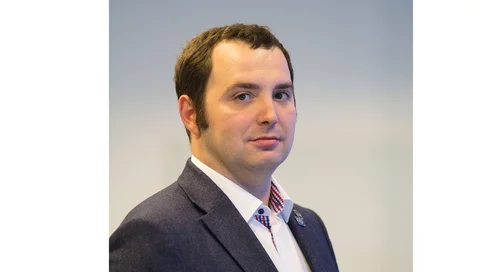
- There is a definite lack of state involvement in financing long-term home care in Poland. We need to start a social debate on this issue. Looking at the statistics, it is already necessary to carry out a reform of social insurance, so that it takes into account the expenses associated with caring for the elderly at home," says Marcin Kurzyna, CEO of HELPFUL HAND.
Seniors are increasing, caregivers are in short supply
The low attractiveness of the caregiving profession in Poland is also a challenge. Care companies are having trouble getting enough people willing to work. An aging population means a growing number of clients, but at the same time fewer employees.
- The problem facing Polish care companies is a significant shortage of workers. Although the majority of those employed in the sector are women aged 55 and older, it should be remembered that these people too will eventually retire. In order to ensure the continuity of services, it is necessary to also engage younger generations as future caregivers. It is therefore important to create attractive rules and an appropriate legal framework for the profession, given the increasing demand for such services as the years pass, comments Ada Zaorska, PSOD.
The small number of those interested in working as a caregiver for the elderly is due to several factors, such as the moderate, though increasing, level of wages, the physically and mentally demanding nature of the work, and the relatively low prestige of the profession. Caregivers themselves feel that their work is not properly appreciated, with more than just financial issues at play. Society does not attach the same value to the role of caregivers as it does to the role of nurses, for example. Meanwhile, the day-to-day activities of professional caregivers are just as important to maintaining the health and well-being of the elderly as proper medical care.
- The profession of caregiver deserves respect equal to that of a nurse, since a caregiver is responsible for the health, comfort and sense of security of her charge. The remuneration of qualified and experienced caregivers should be properly regulated, which would encourage greater interest in improving knowledge, skills and the profession itself, adds Ada Zaorska, PSOD.
Polish caregiving companies point out that little is said about the industry's important social role. A falsely negative image of home caregivers is created in the public media due to the media's natural interest in extreme and sensational situations. Meanwhile, hundreds of thousands of people use the services of Polish caregiving companies, praising the skills of our specialists. It is not without reason that the phrase "Polnische Engel" has become established in Germany, reflecting in two words the commitment, kindness, patience and experience of caregivers coming from the Vistula river.
We have tremendous potential, the knowledge of Polish care companies and the specialists working in them. We can use this to the benefit of our seniors and ourselves in the future. However, we need to start talking about the problem of an aging population and inadequate care, and then implement appropriate systemic solutions. Grandmother's and Grandfather's Day is a great time to wish our closest seniors, but at the same time it is an opportunity to take care of the issues of the elderly.
Source: press mat.