When we shop, we want to make sure we are buying safe food. What does that mean and who is responsible for it?

Published April 17, 2024 09:53
Fot. iStock/Getty Images
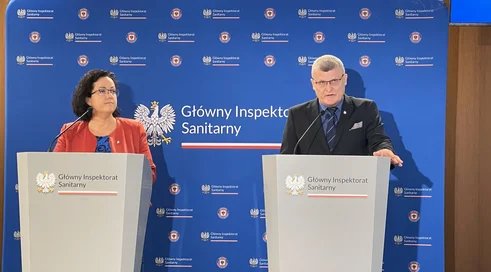
Safe food, or how? The Chief Sanitary Inspector explains that safe food is food that will not cause harm or danger to the health of the consumer. Therefore, food operators (e.g., farmers, entrepreneurs, shopkeepers) must ensure appropriate conditions at all stages of its production and marketing.
Who is responsible for safe food and at what stage?
Food safety is the responsibility of the food operator, both the manufacturer and the one who markets the food (this includes the importer, distributor).
The food we buy and consume is not subject to the "approval" procedure of the official food control authority (i.e., the State Sanitary Inspectorate, for example). It is the food market operators (i.e., producers, distributors, importers) who are obliged to ensure, at all stages of production, processing and distribution, that this food is safe for the health of consumers. The food they produce and market must comply with the requirements of food law. They specify:
- health requirements that food must meet
- hygiene requirements that must be met both at the production stage and at the marketing stage (throughout the food chain) of all foodstuffs.
Entities are also required to, among other things:
- Ensure traceability of food produced and marketed, i.e., identify suppliers and recipients of foodstuffs,
- to notify the competent authorities without delay if food is suspected to be unsafe and to withdraw it from the market without delay,
- conducting systematic internal control, i.e. risk analysis and evaluation of the effectiveness of its own procedures.
So what do official food control authorities do?
The task of the official food control authorities is to check (control) whether the food operator complies with the requirements of food law, and food produced or marketed by him - is safe for the consumer.
Source: GIS