A short economics lesson for non-economists

Published Sept. 6, 2022 09:42
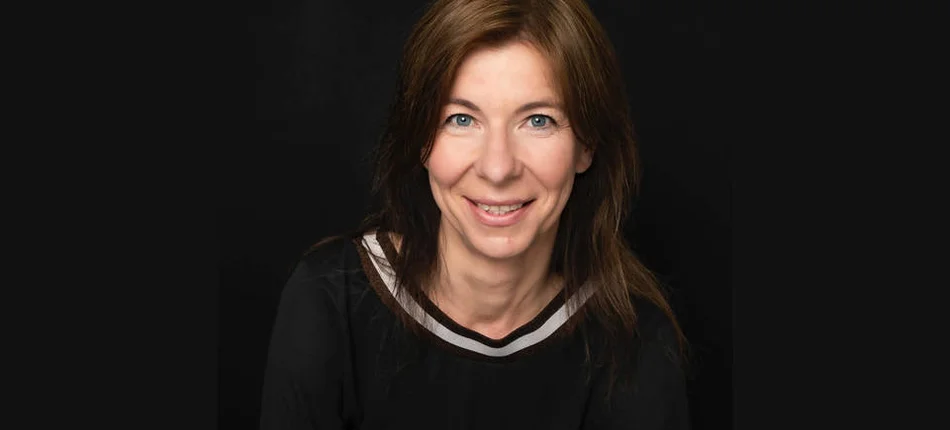
fot.Monika Szałek
Nothing sweeps away power as effectively as social discontent resulting from living conditions. The French Revolution, National Socialism in Germany, the great Soviet Union, and even our August '80 - all were based on the fact that there was nothing to live for.
We are currently on a perfect path for another house of cards to fall apart.
What is a horse, everyone sees, was written in the old encyclopedia. What are the prices in stores too. Inflation has spiraled out of control, and those who should have mastered it, taught by history, are quickly putting out this fire to the public and, in addition, with gasoline.
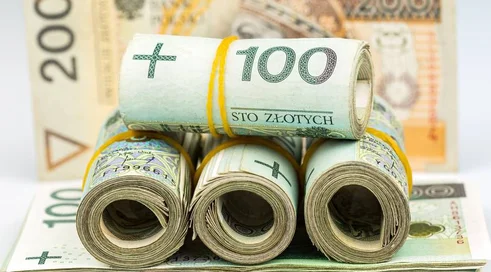
So let's go back to a short economics lesson for non-economists. Economics is a seemingly simple field. There is balance - it is good, there is no balance - it is not good. There should be as much consumer money as there are goods. Investment money, or investments, should move the economy and its structure forward, and savings should protect reserves. Economics, on the other hand, has the disadvantage that it is very sensitive, each action causes a reaction, and a chain reaction. Every zloty poured into the system without a response to producing something begins to wobble the entire structure. If there is too much money and there is too much of goods, their prices go up and there is inflation. If there is inflation, the purchasing value of the money drops and people can afford less, so they will buy less. If they buy less, there are too many goods and the prices should go down, but it is impossible to produce and sell below costs, because the prices of raw materials have also increased during this time, which may lead to the collapse of companies and the wider perspective of the crisis in which they will be shortages, so prices will rise.
Economics belongs to fields that are not quick, but fair. He picked, picked and gouged. Everyone thought that our economy was like a speeding locomotive. GDP, i.e. an indicator that takes into account everything that a given country will produce in a given year - at a great level, inflation under control, low unemployment, even the proportion of the employed and the unemployed, because, as you know, usually half of the people live off the half that pays taxes at the moment - perfectly good. But adding money without cover in the next tribute, plus war and energy problems are throwing them upside down. The only spoil from this policy is the bribed electorate hostile to all those who pay more taxes, that is, earn them, that is, those who can save this situation now. The antithesis of promoting diligence.
Our economy has not been in such trouble for decades. It is easy to rule when it is good, but the first market "I check" and it turns out that we have a festival of non-strategic, chaotic, panic decisions. Deferral of loans at the expense of banks - for everyone, whether they need it or not - that is, too much money without coverage, coal subsidies - for everyone, whether they need it or not - more money without coverage, soon there will be more tributes to the public. We have treasury profits and we also have the worst stock exchange in the world because investors are afraid of instability.
Economics is a simple field but requires stability, balance and strategic outlook.
And in us, so far the only "idea for" is always a working set of topics covering real problems, such as money from the Germans for war losses.
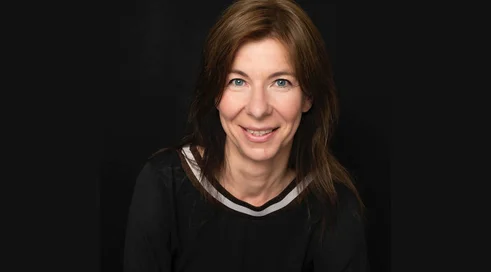
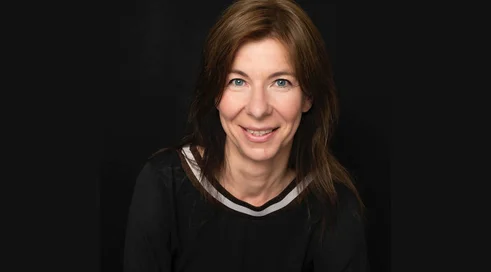
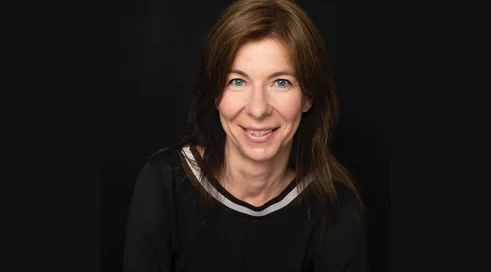
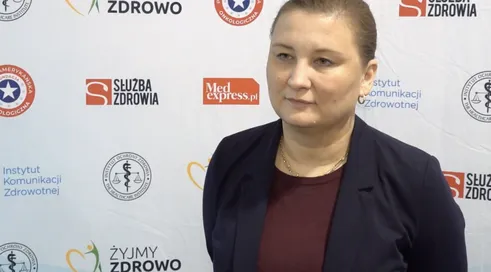
Anna Gołębicka - economist, communication and management expert. Author of many ideas and product strategies. Board advisor. She managed the marketing and development of CANAL + Cyfrowy thematic channels, previously associated with TVN. In the medical industry cooperates, among others with OZZL, the Agreement of OZZL Residents, the Independent Team of Experts of the Continue Curatio. Initiator of the campaign "I am a doctor, I am a human" OIL Warsaw. Expert of the Center Adam Smith. Columnist.
Topics
Anna Gołębicka