Only about 30 neurologists in the country specialize in caring for people with Parkinson's disease. Thanks to the Young Parkinsonologist Academy, that number could double within a year. This is significant given the unequal access to expert care for patients and the Health Ministry's plans to pilot coordinated care.
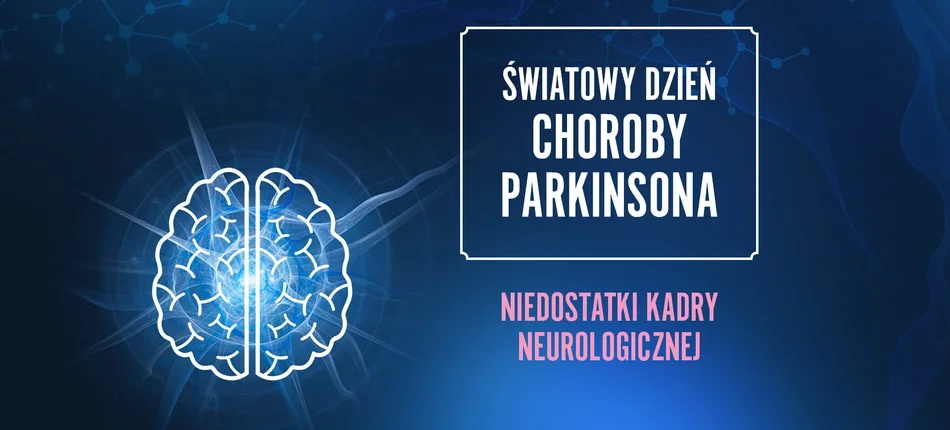
World Parkinson's Disease Day
A new generation of parkinsonologists needs to be educated

Published April 11, 2023 11:15
According to an announcement by the Health Ministry, a pilot of coordinated care for Parkinson's disease patients is expected to begin at selected centers around the country this fall. This is a change that doctors and patients have been calling for for years. Still unresolved, however, are significant disparities in access to specialists, largely the aftermath of a shortage of neurologists who care for Parkinson's disease patients.
- We have a great many areas in the country where the ability of patients especially to access advanced therapies is very low. Patients sometimes have to travel long distances to the centers that deal with them. These are places such as Lubuskie, Opole and Warmian-Masurian provinces. Patient access to a specialist in this field is very limited there," says Professor Slawomir Budrewicz, head of the Department of Neurology at the University Clinical Hospital in Wroclaw.
As envisioned in the pilot of coordinated care for patients with Parkinson's disease, a system of care centered around a reference center will be tested in a few selected locations around the country. Patients will gain access to comprehensive diagnostics, drug treatment and advanced therapies, as well as care from a psychologist, urologist psychiatrist or physiotherapist. Widespread implementation will be a natural consequence of the pilot.
According to Professor Slawomir Budrewicz, the duration of the pilot program should be used not only to test solutions, but also to prepare the human resources base that will find work in reference centers to be created in the future. A joint initiative of the Polish Society of Parkinson's Disease and Other Movement Disorders and the Section of Extrapyramidal Disorders of the Polish Neurological Society will serve this purpose. As part of the First Academy of Young Parkinsonologists, at least 30 doctors specializing in working with Parkinson's disease patients are to be trained.
- They must be, first of all, people who actually want to get involved in the care of patients with Parkinson's Disease. We recruit people up to the age of 35 to join the Academy. They can be doctors who are in at least their third year of residency, or people who have recently passed the specialty exam in neurology," informs Prof. Budrewicz.
The year-long training cycle includes classes conducted in both classroom and online formats. Those who complete the course will receive a certificate confirming their knowledge. Ultimately, further editions of the Young Parkinsonian Academy are also planned. This is because the initiative aims to bridge the generation gap. The group of physicians dealing with Parkinson's disease patients today includes people of retirement age. It is therefore very important to provide cadres to replace these specialists when they decide to end their practice and retire.