What awaits us after the omicron, in the context of its disease and the ongoing pandemic, told us Dr. hab. n. med. Tomasz Dzieciatkowski, assistant professor at the Chair and Department of Medical Microbiology at the Medical University of Warsaw.
What after omicron? "We cannot let him lull our vigilance."

Published Feb. 8, 2022 11:55
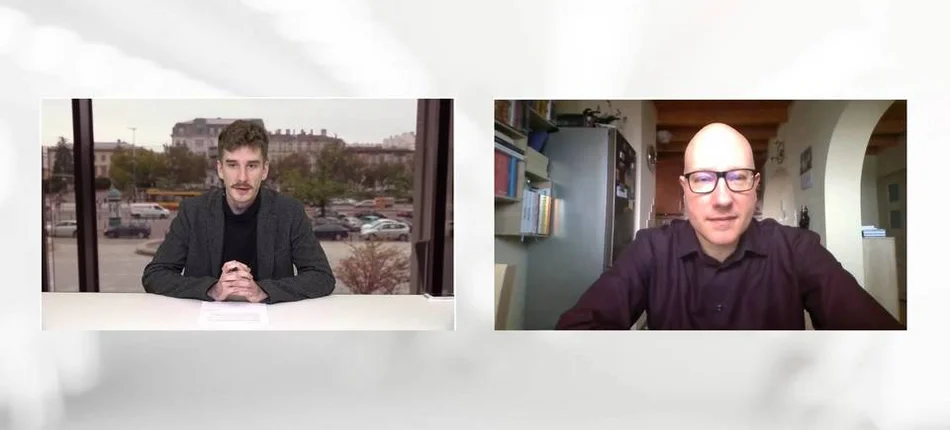
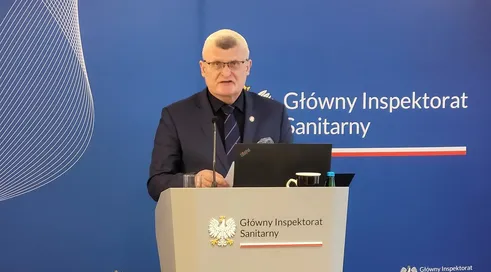
Fot. MedExpress TV
- 20% to 30% of survivors experience chronic symptoms for up to 12 weeks after the end of the disease itself. Omicron, like any other variant of SARS-Cov-2, leaves traces that, after the end of the pandemic, will pose a challenge to modern medicine.
- Given the aggressive tendency of the virus since the start of the pandemic, the weaker omicron does not guarantee the last stop on its mutation route. We are not able to predict a jump into the next, more dangerous mutation of the virus.
- A significant drop in infections will be a bright harbinger of the end of the pandemic, and so far we have not recorded one. Lifting and lifting restrictions has happened many times, and it all depended on the falling or increasing number of infections.
- Too soon to talk about the seasonality of the virus. The delta variant's incidence peaked when she talked, shouldn't be favorable to him.
- In many places around the world, immunization levels are extremely low and still insufficient. In Africa, a few percent of the population is fully vaccinated. This creates a situation where the virus is very freely infectious and can therefore still mutate.