Scientists from Cambridge created mouse embryos without the use of eggs or sperm, which developed the nucleus of the brain and the beating heart. This achievement can help you understand the earliest stages of organ development and why some pregnancies fail.
Scientists have created living "synthetic" embryos

Published Aug. 26, 2022 13:36
Fot. Getty Images/iStockphoto
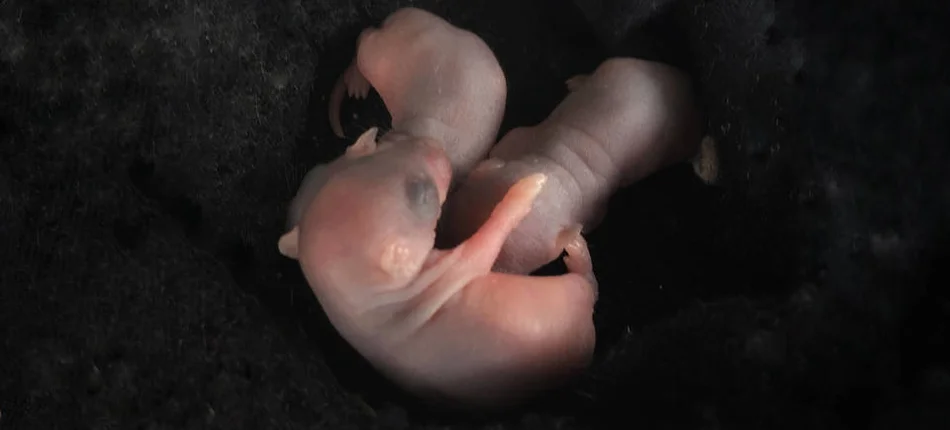
By mimicking natural processes, scientists found a way for three types of stem cells mice to interact and develop into embryo-like structures.
The "synthetic" mouse embryos only survived for eight days, but have reached the point where the brain began to develop.
Professor Magdalena Zernicka-Goetz, a specialist in mammalian development and stem cell biology at Cambridge and Caltech, said the experiment was a "dream come true" and the data provided provides invaluable insight into how organs are formed. It may also translate into less dependence on animal research in the future and lead to efficient ways of testing new drugs.
Scientists now plan to devise methods to keep 'synthetic' embryos developing for a day or two longer. However, this is difficult without creating a synthetic bearing. The UK's long-term goal is to grow similar embryos from human stem cells. However, it is ethically much more complicated.
Currently, UK law only allows laboratory testing of human embryos until the fourteenth day of development, but there are no regulations for "synthetic" embryos.
Source: BBC News
Topics
komórki macierzyste