Plants suffer from a great many diseases which are diagnosed and "treated" by inspectors of the State Inspectorate for Plant and Seed Protection, a state administrative unit that ensures that these diseases and pests do not spread uncontrollably and do not cause large economic losses to crops. "Plant doctors," for this is what PIORIN employees are sometimes called, also make sure that the plants we buy for consumption or for the garden are healthy and please our senses.
Do plants make people sick with cancer?

Published Sept. 5, 2024 08:31
This week's hero, cancer, is a common and popular disease caused by bacteria or fungi. Infected plants defend themselves by trying to inactivate the pathogen and the resulting necrosis, or necrosis, by cutting it off from the rest of the organism by producing callus and resin. The result is deep wounds or outgrowths. Each plant reacts slightly differently hence the multiplicity of symptoms and the different significance of the disease for the survival and health of the plant.
It started with a potato...
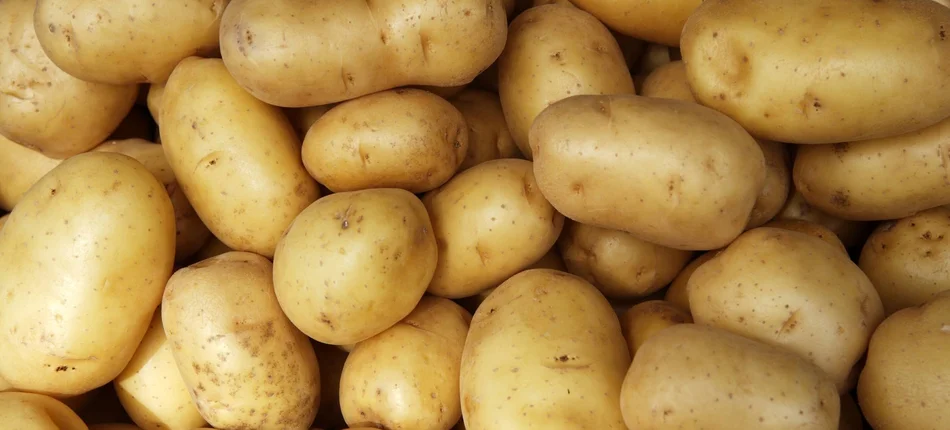
The history of the Plant Protection Service in Silesia and across Poland began with... potato cancer.
In August 1924, a dangerous disease of potatoes - potato canker - was detected in the Rybnik district. Outbreaks of the disease were located in the villages of Wielikąt and Grabówka, at the pond caretakers of Prince Lichnowski. On July 1, 1925, the Silesian Plant Protection Station was established as the second in Poland, with the main goal of eradicating potato canker outbreaks. As a result, inspections of fields and crops were carried out in Silesia and 130 outbreaks of the disease were detected. These were the first inspections organized on such a scale for the presence of quarantine organisms (particularly dangerous and ex officio eradicated). Currently, such inspections are our daily routine.
Potato canker Synchytrium endobioticum is a dangerous quarantine disease of the potato. It infects tubers, on which cancerous, cauliflower-like growths are visible, initially white in color, turning green when exposed to light. The spores of the fungus remain in the soil and can be a source of infection for potato plants for 30 years. The difficulty of fighting the disease is evidenced by the fact that soil tests for the presence of spores of this fungus are still being conducted and continue to be detected. Interestingly, many potato varieties grown today are resistant to the disease. However, some varieties grown for French fries and fries are unfortunately not resistant and their cultivation requires our special attention.
Tree cancers visible or hidden but deadly....
The bacterium Pseudomonas syringae, which is the culprit of the disease, overwinters in buds and at the border of necroses and cankers.
In spring, the bacteria become active, multiply, come to the surface and spread via wind, rain, insects and during garden work. All aboveground organs of trees become infected. In the development cycle of canker we have two images one is necrosis, or necrosis and canker on woody tree organs, and the other is spotting and necrosis on buds, flowers, leaves, fruit set and young young shoots. Carcinogenic bacteria can survive on the surface of plants as epiphytes, being the main source of infection by traces of leaves falling in autumn. It is imperative to harvest, cut and burn infected leaves and plant parts so that the disease does not spread to the following year and other trees.
Poplar shield canker
Ceratocystis fimbriata is the fungal organism that causes this popular poplar disease. At the site of damage to the trunk or branches by mechanical factors or insects, shallow depressed wounds are formed on which rolls of encapsulating tissue, or callus, are built up. As the disease progresses, necrosis progresses and more layers of callus are built up, and more until large growths are formed on the trunks or branches. Tissues above the callus most often die because they are cut off from water and nutrients, trunks and branches in these areas break, posing a danger to the environment.
Not every outgrowth is a cancer....
The thickening and deformities that we often associate with cancer can also be the work of small arachnids or insects that live inside them... but that's another story altogether.
EMN Katowice 2024 will host a meeting with "plant doctors" during Cancer Week.
Source: SUM