Although the COVID-19 pandemic is over, its psychological effects are still evident. There is a marked increase in mental disorders and a growing problem of loneliness - phenomena that can be described as post-pandemic stress.
Is post-pandemic stress syndrome still present?

Published July 28, 2025 12:40

zdrowie psychiczne
- In 2024, doctors issued about 1.6 million sick leaves due to mental disorders - 13.8% more than a year earlier. In total, this meant more than 30 million days of absence from work. The most common diagnoses were severe stress reactions (35%), anxiety disorders (18%) and depressive episodes (17%), reports Matthew Grajek, M.D., Ph.
Depression is estimated to affect about 1.2 million Poles, and more than 1.7 million people are taking antidepressants regularly - 83% more than a decade ago. - continues Dr. Grajek
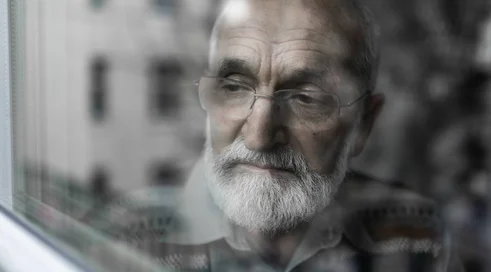
Social surveys show that 53% of adult Poles experience loneliness, and one in three has no one to turn to for help. The problem particularly affects the elderly - as many as 26% of people over 80 often feel lonely.
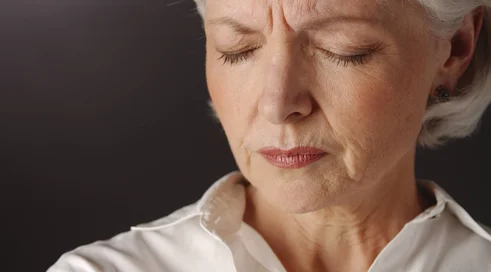
The pandemic has intensified isolation and severed many social ties, which has translated into deteriorating mental health, especially among young adults and seniors. Post-pandemic stress syndrome manifests itself in chronic fatigue, sleep disturbances, anxiety, mood decline or difficulties in social functioning, among other symptoms. According to the study, as many as 23% of Poles report lowered mood, and 15% report anxiety or paranoid symptoms. - Dr. Grajek explains, and adds: - The post-pandemic stress syndrome in Poland is a serious challenge. The increase in mental disorders, depression and loneliness indicates the need for urgent action - both systemic and social.
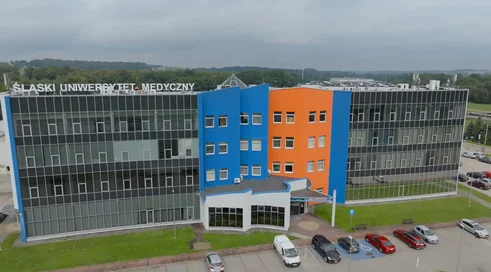
Source: Silesian Medical University