Poland is aging at a rapid pace. In this context, the 65+ free drug list is not just a social benefit, but an important tool of the health care system. At the Medical Rationale of State press briefing, experts agreed: the program should be protected and expanded.
65+ list the foundation of health security for seniors. Experts: do not weaken the system

Published June 1, 2026 06:05
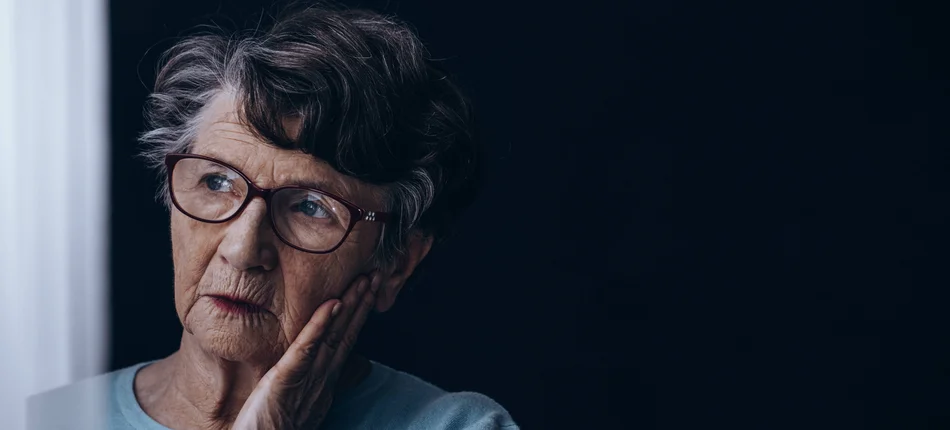
Fot. Getty Images/iStockphoto
Seniors as capital - not a problem
Poland has been losing residents almost continuously since 2014. A similar trend is observed in most European Union countries. Meanwhile, seniors over 65 are increasingly opting for a model of active aging, wanting to work, care for grandchildren and remain independent. This is possible, first of all, when they are provided with proper health care. As Anna Jasinska, spokeswoman for the Medical Rationale of State, and organizer of the event, emphasized at the meeting: this social group is not a burden, but valuable human capital. - We need to take care of the silver age economy. These people won us freedom, went through the most difficult decades of transformation. Today they deserve a signal that they are being taken care of. Such a signal is the 65+ list," she said.
Accessibility, adherence, self-reliance
Professor Artur Mamcarz, a cardiologist from Warsaw Medical University, pointed to three pillars of effective treatment for seniors: economic availability of therapy, adherence - that is, consistent adherence to therapeutic recommendations and and maintenance of patients' independence. The 65+ list affects all three areas. As he explained, lack of adherence is often due to reasons that the system can fix: financial exclusion, overly complicated treatment regimens, insufficient patient education. - A patient should know why he or she is taking a drug that lowers blood pressure or regulates cholesterol. The benefit is not just a good test result - it's the ability to climb the second floor without shortness of breath, to be active with grandchildren, to live independently, he said.
Free access to medicines makes it possible for patients to afford full, multicomponent therapies according to guidelines. - The 65+ list has changed the fate of a great many people - it has ensured economic accessibility to modern therapies," said Prof. Artur Mamcarz Failure to start or stop treatment for financial reasons leads to complications: strokes, episodes of heart failure - and these in turn end in 25 percent of cases with loss of independence.
- I am a doctor of poor and very poor people. The 65+ list is a huge therapeutic and social value, it is money dedicated directly to the patient's medicine. And it builds a sense of security that the State cares about these people," said Dr. Michal Sutkowski, president of the College of Family Physicians in Poland.
How much does a 65+ list really cost?
Attorney Katarzyna Czyzewska of Czyzewski Law Firm straightened out during the meeting the information that has recently appeared in the public space. There were amounts of about 9 billion zlotys as the annual cost of the senior program. However, the data is much more complex. - This amount is the total cost of reimbursement for medicines listed in Article 43a of the Health Care Services Act," the attorney explained. - It includes both medicines for seniors and for children, financed by the Medical Fund. The National Health Service's subsidy for drugs on the 65+ list alone - what a patient would normally pay at a pharmacy - is about 3.5 billion zlotys. This is just 1.7 percent of the Fund's total budget," she said.
The increase in the cost of the program over the years was primarily due to systemic changes: lowering the age threshold from 75 to 65 and expanding the group of physicians authorized to write prescriptions - previously it was only the general practitioner, now any specialist. - The 65+ list is not a separate budgetary entity, but an overlay on the reimbursement list. The NHF covers the surcharge that a patient would normally incur. The real cost of the program is 3.5 billion zlotys a year, not 9 billion," explained attorney Katarzyna Czyzewska.
Sovereignty and security of supply
The experience of the COVID-19 pandemic and the current geopolitical situation have made drug security one of the priorities of not only Polish, but also European health policy. The EU pharmaceutical package, which is coming into force, includes the issue of drug availability as part of strategic security. In Poland, the status of "Polish Drug" has been in place since 2023. - granted to products manufactured entirely in the country, from the active substance (API) to the finished preparation. This status is associated with specific reimbursement privileges: exemption from price negotiations, longer reimbursement decisions and an additional surcharge that reduces the cost to the patient. Attorney Czyzewska pointed out that drugs with this status are important in shaping the 65+ list, because they meet the availability criterion. In a crisis situation, closure of borders or disruption of supplies from Asia, it is the drugs produced in Poland that guarantee continuity of therapy.
Waste of medicines
Estimates indicate that up to 44 tons of medicines per year are being disposed of in one province alone. The problem ranges from stockpiling medicines to duplication of prescriptions for the same preparation by different doctors. Experts pointed out that digital solutions, real-time verification systems available to doctors and pharmacists, exist, but need to be fully implemented.
Communication exclusion and geographic inequality
Participants in the meeting stressed that the problem of health security for seniors has a clear geographic dimension. Studies indicate that the beneficiaries of the changes of recent decades have been primarily large cities. Seniors from rural areas and small towns have significantly worse access to both medical care and information about available programs.
Dr. Michal Sutkowski described the realities of a family doctor's work in the field: lack of bus connections making it impossible to get to appointments, lonely elderly people without the support of caregivers, and the need for doctors to take on tasks beyond medicine. - We drive with a driver, move the bed because it is dripping from the ceiling onto the patient," he described.
The voice of patients: stability and confidence in the system
Magdalena Kolodziej, president of the We Patients Foundation, recalled that the introduction of a list of free drugs, first 75+ and then 65+, was a direct response to long-standing demands from patient organizations. Studies have consistently identified the financial barrier as one of the main reasons for non-adherence to therapeutic recommendations. - Seniors have their long-standing habits with specific medications. They tolerate them well and have learned to use them. Any change, especially one that is economically forced, risks discontinuing therapy," said M. Kolodziej. The patient representative pointed out that a cheaper substitute is not always appropriate: changing a drug in a senior who is accustomed to a particular therapy can lower adherence and ultimately increase the system's costs due to disease exacerbations and hospitalizations. Seniors hear that something might change, and they worry that they will again have to wonder if they can afford the drugs. This anxiety is real. - More than half of seniors rate their health as average. Most have multiple diseases. The 65+ list has given them a sense that the system is thinking about them. Any changes to this list should be carried out carefully, preserving the doctor's right to make therapeutic decisions, Magdalena Kolodziej urged.