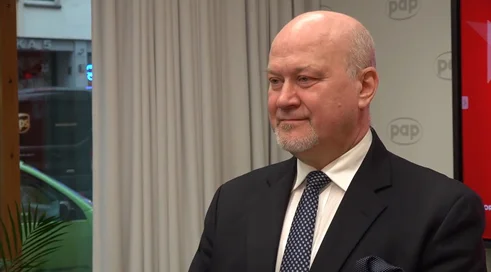
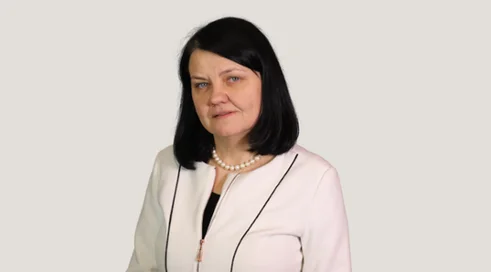
- Thanks to innovative drugs, we can treat effectively with fewer visits, which means not only convenience for patients, but also real savings for the system," says Professor Robert Rejdak, head of the Department of General Ophthalmology and the Department of Ophthalmology at the Medical University of Lublin, and president of the Association of Polish Ophthalmic Surgeons.
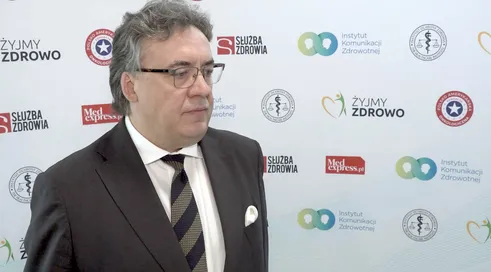
Prof. Robert Rejdak
Modern therapies ease the burden on patients and the health care system

Published June 25, 2025 15:00
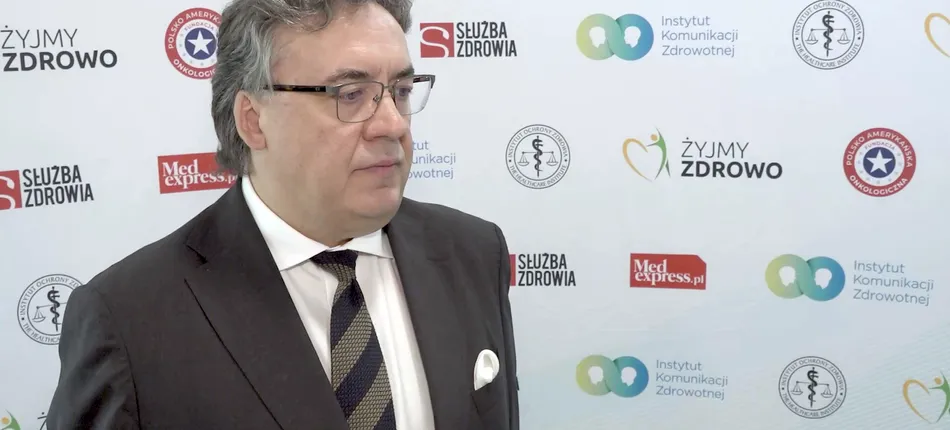
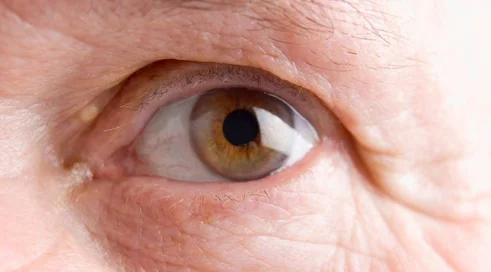
Medexpress: Demographic changes are inexorable. The population is aging, and as a result, the number of people with eye diseases, including age-related macular degeneration (AMD), is increasing. What role can innovative therapies, including biospecific drugs, play in easing the burden on the health care system?
Prof. Robert Rejdak: Indeed, every year there are more and more patients suffering from conditions such as age-related macular degeneration, diabetic macular edema or other diseases leading to impaired central vision. AMD, in particular, is now becoming a social problem - the disease is increasingly being diagnosed among people over the age of 60, and patients, hearing such a diagnosis, may feel stigmatized, fearing deterioration of vision. However, they will recall that a drug program has been in place in Poland for more than 10 years, and we have had access to anti-VEGF therapy for three decades. Now biospecific preparations have appeared on the market - this is a very rapidly developing field. Thanks to these therapies, we are changing the profile of patients - people previously at risk of disability and dependent on the environment, often excluded from the labor market, have a chance to remain active. In the past, patients had to take injections every month. Today, thanks to modern drugs, up to three injections a year are sufficient. This is a huge improvement in the comfort of life, but also a significant savings for the system and a lower social cost, because it is not only the patient who suffers, but also their loved ones. Caregivers often have to take time off to drive the senior to the hospital, help with diagnostics or therapy. New therapies make it possible to reduce this monthly need for visits, which significantly relieves the burden not only on the health care system, but also on the patients themselves and their families. In addition, we are developing new solutions in Poland, such as telemedicine. We are already implementing the first projects that show that it is possible to diagnose patients remotely. However, I emphasize: this must go hand in hand with modern therapies. Combining remote diagnosis with biospecific preparations will not only allow us to treat more effectively, but also to cover a much larger number of patients with therapy.
Medexpress: Do I understand correctly that investing in modern therapies can be considered one of the most important decisions of the state? Because on the one hand we are relieving the burden on the system, and on the other hand on patients and their families?
Prof. Robert Rejdak: That's exactly right. This is an excellent investment - economically, socially and humanely justified. We help patients maintain their comfort, well-being and professional activity. At the same time, the system spends less, and more people can be treated with the same funds. I have run simulations, which show that if we consistently implement modern therapies, we can include up to 10,000 additional patients in the drug program over the next five years. That's a huge difference.