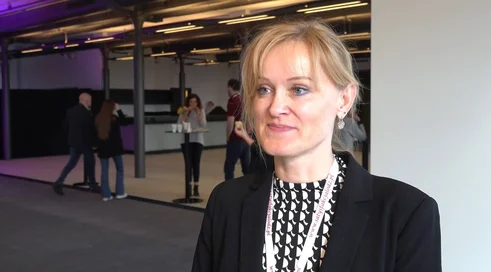
Interview with Professor Krzysztof Selmai, director of the Center for Neurology in Lodz, head of the Department of Neurology at the University of Warmia and Mazury in Olsztyn
Forms of therapy have a major impact on personalization of treatment and quality of life for MS patients

Published March 29, 2023 09:00

The Multiple Sclerosis 2023 Neurology Conference is behind us, and a great deal of attention has been given to the prospect of living with the disease. How do you view recent developments in MS diagnosis and treatment?
At the end of last year, a big change took place in patients' access to high-cost treatment. We have been waiting for this change for a very long time. The fact that we now have several high-efficacy drugs that we can use without the initial barrier of treatment with basic drugs is a very good and important change. We hope that this will definitely improve the results of treatment. Some things can still be done, of course, because not all such drugs have appeared in the first line.
Is it fair to say that this drug program we now have in Poland allows personalization and customization of the form of treatment according to what patients are planning in their lives?
Undoubtedly, the more drugs we have that differ in mechanism of action, efficacy, side effects, mode of administration, the greater our ability to better tailor therapy to the patient's needs. We don't yet have personalization at the highest level, such as in oncology patients, but undoubtedly what we do have allows us to better situate the patient in treatment options and in accordance with their expectations, related to work, social situation or lifestyle.
One of the new therapeutic options is natalizumab in subcutaneous form. It's a therapy approved by the European Medicines Agency in 2021. Today, this drug in this form is available in 26 countries. For whom and why is this form of administration important?
The change in the therapeutic program in Poland is very good, but it is not yet complete. One example is precisely natalizumab in subcutaneous form. Natalizumab has been a drug used in MS for many years. It is one of the most effective drugs and the most optimal for patients. Classically, it is administered in the form of intravenous infusions every four weeks. Recently, a new form, subcutaneous, has emerged. This is a very important option for patients who are more active or for patients who do not want to come to the outpatient clinic or hospital often. This form is very beneficial and, importantly, the drug administered in this way is as effective as the intravenous form. Making the drug available to patients in subcutaneous administration will certainly facilitate its use.
When we talk about the treatment of MS, we are talking about long-term treatment, and the need for full and rapid reversibility of treatment is often emphasized. Why is this the case, and which disease-modifying drugs allow the fastest reversibility of action on the immune system?
Reversibility is important when the drug used shows some side effects and we need to change therapy. In such a case, it is desirable that this previous drug washes out quickly and there is no added effect, such as excessive suppression of the immune system or drug interaction.
Thank you for the interview.