Spring is a time of cleaning - we do it in our homes, gardens, we feel like taking care of ourselves and our loved ones with renewed energy, too. Not only on the outside, but also on the inside. Thanks to the study of the bacteria that populate the intestines, we know more and more how to do it.
Bacteria for special tasks

Published April 6, 2023 13:16
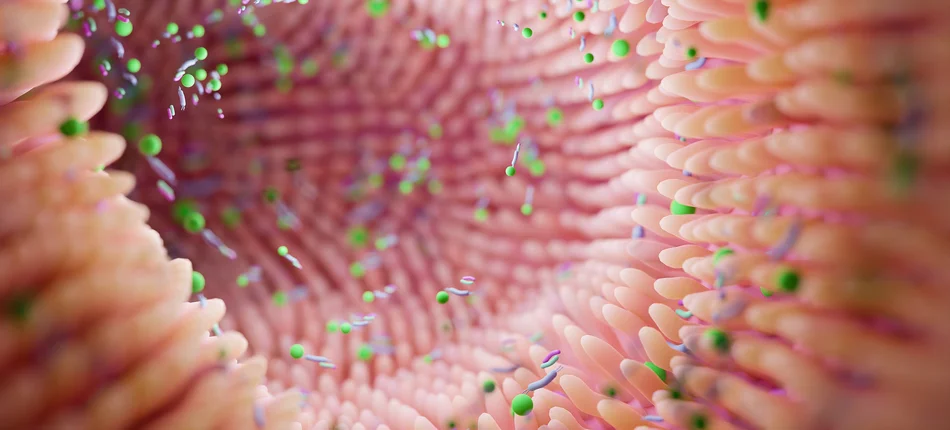
Fot. iStock
We have written more than once about the gut and its importance not so much for the body, but for our lives in general. So we already know that they have a direct impact on our mood, our willingness or unwillingness to live, our hormonal balance, our body weight, our immunity or lack thereof. We also know that what effect they have on us depends largely on ourselves, i.e. how we eat and what lifestyle we lead.
Until a decade ago, the intestines were considered an unnecessarily twisted and oddly structured part of the digestive system. Research in recent years is indebted to the knowledge of what a remarkable organ it is: innervated and having a fundamental influence even on what is considered the command center of the brain. Not only on - as previously thought - metabolism. Since the knowledge of the almost extraordinary importance of the intestines for human health and life cannot be disputed, probably each of us from time to time asks ourselves: what else can I do for my intestines?
Because of their function, one of the first answers comes to mind: cleanse! Since they have become a celebrity among organs, you can find a lot of advice on the Internet on how to do this effectively. We recommend caution! The intestines do not need obsessive cleaning - it is in their nature to be healthily contaminated. After all, this habitat of bacteria has turned out to be a wonderfully functioning and life-giving mechanism, into which the less we interfere, the better for it - and for us. Scientists estimate that 95 percent of bacteria have no negative effects on humans! What's more, remember that usually when fighting bacteria, we fight them blindly, destroying both the good ones and the bad ones. The results are rather lamentable. Just recall the statistics, which clearly show that where hygiene is most cared for, allergies and autoimmune diseases are most prevalent. Sterility doesn't do us any good, so it doesn't make sense to overdo it to our own intestines as well. Even bad bacteria can sometimes be useful to us - if only because they provide something of a punching bag for the body's defense functions.
However, care must be taken not to make too many of them. This is not overly complicated, let us remind you. Not wanting to feed bad bacteria, we should take care to always wash vegetables and fruits before eating, hand-washed dishes should not be wiped with a damp sponge at the end, it is enough to rinse them under running water; likewise with wiping - it is better to leave them to dry than to transfer bacteria with a damp cloth. Remember that they do not multiply on dry surfaces. They don't like cold or heat, so the refrigerator (below 5oC) and washing machine (above 40oC) are their enemies. They don't like ventilation and they don't like it when we are clean (but not too clean) and clean (but not too clean) living.
In maintaining a healthy balance between good and bad bacteria, pro and prebiotics are extremely helpful. They are recommended not only when we treat viral diseases with antibiotics (and these wreak havoc on the microbiome, because under their influence all bacteria stop multiplying). Pro bios means "for life," by this honorable name scientists have called the strains of bacteria that they have carefully studied and found to serve our health. Incidentally, before they scientifically studied them, good bacteria were discovered and are used in cultures all over the world. Thanks to them we have pickles, curdled milk or yogurt, thanks to them there is miso soup, sourdough, or in various ways naturally preserved foods. Depending on the latitude, their composition changes, the effect remains.
Ever since scientists took the probiotic bacteria under the microscope, they have continued to discover new possibilities and their effects on the human body. Thanks to this, we know, for example, that the composition of the microbiota in our intestines has a direct impact on whether or not we are overweight. The first research was done in 2005, so this is very fresh knowledge. It turned out that diet alone is often not enough to achieve weight loss. The microbiota has an undeniable effect on this, working by regulating metabolism, counteracting inflammation, restoring the gut's defensive functions. In a study on mice, it was verified that by transplanting the one from the slim ones to the obese ones - the obese ones successfully lost weight! When the reverse treatment was applied - those previously slim began to gain weight.
Not surprisingly, having found differences in the microbiota of thin and obese people, they began to check which bacterial strains might be useful in the prevention and treatment of obesity and obesity-dependent diseases. It turned out that bacteria from the genus Lactobacillus and Bifidobacterium in particular have a beneficial effect in this regard. Not only do they reduce the intensity of inflammation in the intestine and improve the efficiency of the intestinal barrier, but they also help shed excess weight and then maintain weight.
Whether we reach for probiotics from the drugstore to improve immunity, relieve the intestines after antibiotic treatment, or for other reasons, remember that they should be taken regularly, for about three to four weeks, and necessarily before the expiration date - otherwise we risk consuming bacteria that have lost their health-promoting properties. Before buying them, let's find out what composition a particular preparation has - supplements for diarrhea, immune support, and others for weight loss support will have a different composition.
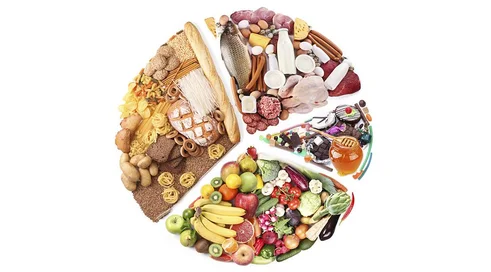
However, each supplement works when we take it. It is not the case that the bacteria thus supplied will populate our intestines for good. Their effect is ad hoc, like troops for special tasks. Scientists are working to increase and prolong their effectiveness, but for now it's a matter of the future. So it's best to make sure we supply ourselves with good bacteria from food. The more varied our diet, the less sugar and white flour we eat, the better the chance that our intestines are healthy.