September 14 is World Atopic Dermatitis Day. It is estimated that nearly 800,000 people in Poland suffer from AD, of which 15-30% are children and teenagers. The disease not only stigmatizes, but can also significantly reduce self-confidence, especially in young people. World AD Day, established in 2018, aims to raise awareness of the disease and mobilize action to improve the quality of life for those affected by AD. Compassion, support and proper care can make a significant difference in the comfort of patients' lives.
World AD Day
How to care for atopic skin?

Published Sept. 13, 2024 08:29
Fot. Thinkstock/Getty Images
Significance of World AD Day
The celebration of World AD Day is an opportunity to highlight important issues related to the disease. According to research, as many as 68% of young people struggling with AD experience constant anxiety, especially in the context of peer relationships and school. AD also affects family life and relationships with loved ones, which is why it is so important to support and understand those around you. The disease often causes shame and a sense of isolation, which can lead to lowered self-esteem and psychological problems. Therefore, proper education and approach to treatment and skin care are key.
How do you recognize atopic dermatitis?
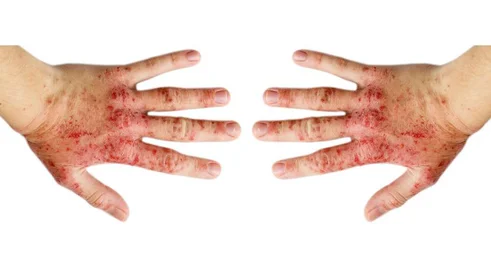
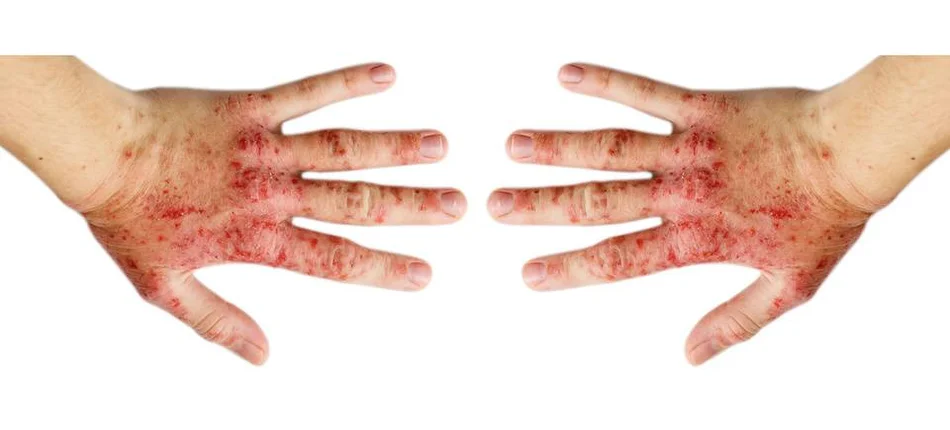
Atopic dermatitis is a chronic inflammatory disease that most often appears in childhood, but can also occur in adults. Symptoms can include:
- Dry skin: The skin is dry, rough and flaky.
- Pruritus: Intense itching that intensifies at night, leading to scratching and skin damage.
- Skin lesions: erythematous and exfoliative eruptions on the face, neck, elbow and knee bends.
- Symmetry of lesions: Lesions often occur on both sides of the body.
- Skin thickening: Chronic scratching can cause lichenization, or thickening of the skin.
- Hypersensitivity to external agents: the skin reacts to detergents, wool, temperature changes.
- Recurrence of symptoms: The disease is recurrent with periods of exacerbation and remission.
- Family history: the risk of disease increases if there is a family history of other atopic diseases.
If the above symptoms are observed, it is essential to consult a dermatologist. Early diagnosis and appropriate treatment, including moisturizing the skin and avoiding irritants, are key to improving patient comfort. As Professor Aleksandra Lesiak, a dermatologist-venereologist specialist, emphasizes, the right approach to atopic skin care can significantly affect the course of the disease.
Support for patients with AD
The Eau Thermale Avène brand has been supporting children with AD for nearly a decade through initiatives such as the "Polish Patient at Avène" competition. Thanks to this initiative, children have the opportunity to enjoy a 3-week stay at the Avène Hydrotherapy Center in the south of France. This year, the winner of the contest was 13-year-old Natasha, who has been struggling with a severe form of AD since early childhood. Thanks to hydrotherapy based on Avène thermal water, which has soothing properties, it was possible to calm the symptoms of the disease and improve the patient's quality of life.
As Izabella Lesieur, Marketing Director at Eau Thermale Avène, points out, the program has continued successfully for many years and has brought tangible benefits to children with AD and their families.
Professional care for atopic skin
One of the key elements in alleviating the symptoms of AD is emollient therapy, i.e. regular use of emollients - preparations that moisturize and lubricate the skin. Emollients help rebuild and maintain the skin's natural protective barrier, which is essential in the fight against dryness, itching and a tendency to irritation. Choosing the right products is crucial: they should be hypoallergenic, mild, without irritants, fragrances, preservatives and artificial colors.
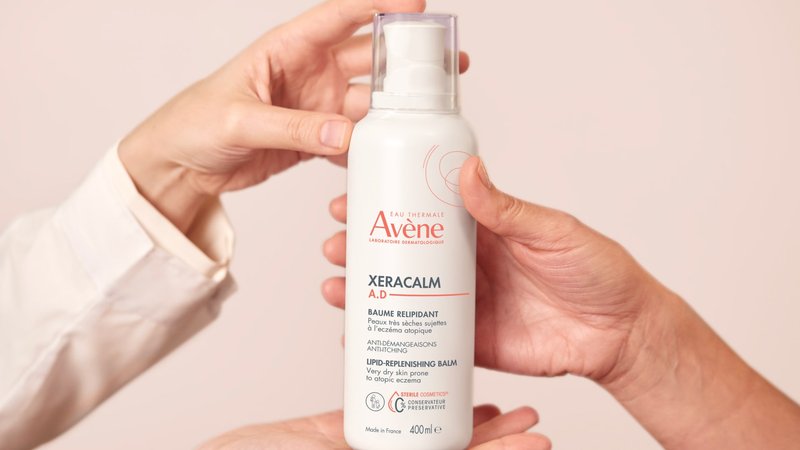
The XERACALM A.D line by Eau Thermale Avène is the go-to choice for people with AD. The products contain Avène thermal water with soothing properties, I-modulia® complex to reduce itching and inflammation, and CER-OMEGA complex to rebuild the skin barrier. Their effectiveness has been confirmed by scientific studies, making them a safe and effective solution for atopic skin.
Source: based on press mats