According to United Nations projections, by 2030 the percentage of Europe's population over 65 will be 23.8%. Older age is considered a major risk factor for both cardiovascular disease and cognitive impairment and dementia. Cognitive disorders are a heterogeneous group of diseases due not only to their etiology but also to the range of disorders, including mild cognitive impairment (MCI) and, in its most advanced form, dementia.
Cognitive dysfunction in patients with myocardial infarction. Results of a study

Published Oct. 23, 2023 10:11
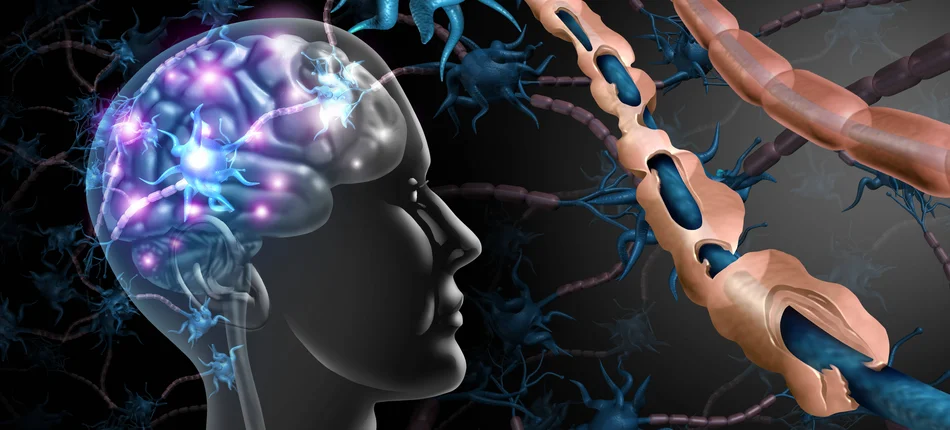
Fot. Getty Images/iStockphoto
At the J.Strusia Hospital in Poznań, Prof. Paweł Burchardt, MD (Cardiology Department, Cardiovascular Laboratory, J.Strusia Hospital, Poznań Department of Hypertensiology, Angiology and Internal Medicine/ Lipid Disorders Biology Laboratory, K. Marcinkowski Medical University) completed a project with his team on the evaluation of cognitive impairment (pre-dementia disorders including Alzheimer's) in patients hospitalized for myocardial infarction.
Prof. P.Burchardt explains that there is very little widespread evaluation of neurocognitive impairment (MCI) in patients with cardiovascular burdens, despite the fact that these diseases share the same etiology and risk factors, so he and his team decided to address this issue in a scientific project that was carried out in patients hospitalized for acute coronary syndrome (myocardial infarction), treated with coronary artery angioplasty. Cognitive function in these patients was re-evaluated 6 months after the infarction, at a time when the patients were additionally receiving very intensive drug treatment. This was one of the few projects in the world dedicated to this subject!
It turned out that as many as about 30% of patients presented cognitive deficits. This came as a huge surprise to the researchers, and has huge clinical significance. - We often hear in many reports that patients after heart attacks do not follow medical instructions, do not take medications. Perhaps the fact of impaired neurocognitive function in these patients is one possible explanation for this phenomenon, as patients may simply not understand, remember or misinterpret the medical recommendations in the information sheets," says Prof. Dr. Pawel Burchardt.
The project also aimed to determine whether these disorders occur simultaneously in all patients. Again, the results of the study came as a great surprise. Only, because a certain fraction of patients presenting with MCI at the time of the infarction, presented them at a later time. In the remaining patients, they occurred either only at the time of the infarction or only at the follow-up visit after 6 months.
Here, too, a very interesting point, namely, in those presenting deficits whether at infarction or during the follow-up period, attention function always deteriorated. Conversely, improvements in neurocognitive function in subjects after 6 months were also associated with improvements in attention function. This probably demonstrates the homogeneous nature of cognitive impairment in patients with cardiovascular burden, which is probably caused by a homogeneous atherosclerotic etiology. The analysis of the results obtained was based on the use of artificial intelligence (AI) methods. At the same time, the algorithms used, thanks to in-depth analysis, allowed the researchers to identify simple clinical parameters that draw attention to the risk of cognitive deficits. Thanks to AI methods, it was also possible to create a simple tool that, by analyzing a drawing made by a patient, allows one to determine whether his neurocognitive functions are normal or not. This part of the project was made possible thanks to Ms. Dr. n. mat. Katarzyna Kaczmarek-Majer (Polish Academy of Sciences) with her team.
As Prof. Pawel Burchardt points out, abnormalities found by artificial intelligence algorithms should be a signal for the attending physician to send such a person for further specialized neurological diagnosis. - This creates great potential for our tool not only in the diagnosis of cardiac patients, patients with other cardiovascular burdens (such as ischemic lesions in the central nervous system), but especially as a screening tool for a wide range of elderly people, especially those over 65. This is because this age limit makes it possible to catch disorders at an early stage and, through appropriate interventions, delay the onset of dementia, which is an extremely big challenge for the public sector of the health care system. - He adds.
Nowadays, due to the aging of the population, rapid identification of patients at risk of dementia(not only Alzheimer's) is of enormous systemic importance. Early diagnosis, initiation of appropriate treatment, can reduce the burden of delaying the need for long-term nursing care.