Germany has joined countries where possession and cultivation of a certain amount of cannabis by private individuals will be fully accepted by law as of April first. Does decriminalization make sense from a public health perspective? As scientific research progresses, more and more doubts are being raised on this issue.
Smoking marijuana increases risk of heart attack and stroke. New findings from an American study

Published March 11, 2024 07:24
Fot. Thinkstock/Getty Images
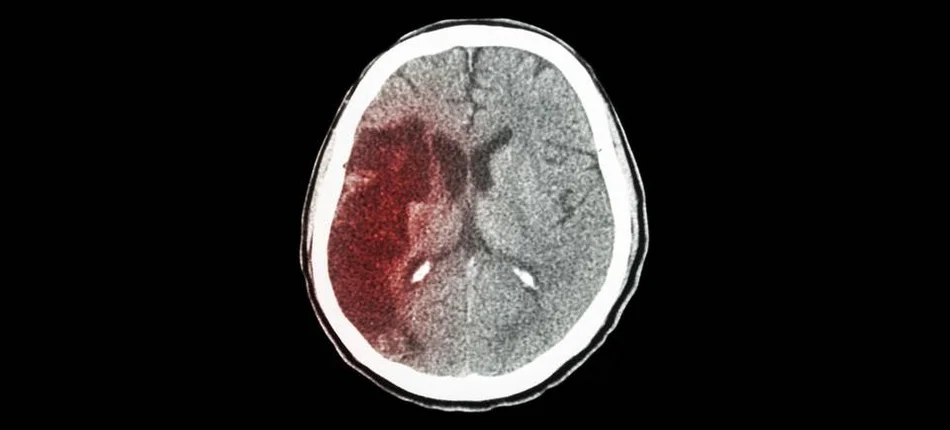
Recently published in the Journal of the American Heart Association, the results of a study on the harmful effects of marijuana on the heart and blood vessels shed a disturbing light on its effects on the entire cardiovascular system. American researchers have shown that marijuana consumption can have serious consequences and contribute to cardiovascular incidents as well as cause stroke. The study was conducted among 43,000 American adults. Eligible were adults who were both tobacco smokers and those who had never smoked, even electronic cigarettes. Experts set out to determine whether tobacco or cannabis, or perhaps a combination of the two stimulants, was responsible for the impact on cardiovascular health. They observed that the increased risk of heart attack or stroke was similar in all these groups.
The risk was higher the higher the consumption of cannabis. The highest in those who smoked a "joint" several times a month or daily. As reported by the American Heart Association, a high risk of cardiovascular disease also appeared in people who smoked cannabis exclusively. In daily consumers, the result indicated a 25% higher risk of heart attack and a 42% higher risk of stroke compared to those who did not use marijuana at all. At the same time, the researchers showed that it was independent of traditional smoking or electronic cigarettes. Factors such as age, demographics and BMI were also of little importance in this context. From this analysis, it is clear that even smoking only cannabis increases cardiovascular risk.
The study's authors urge health care workers to be aware of the risks and educate their surroundings about them. Currently, worldwide - as the study's author and director Dr. Abra Jeffers strongly emphasizes - the perception of cannabis as a harmful substance is declining. This is a serious mistake, for as the study's findings prove, smoking cannabis has serious implications for the health of entire populations and also adds to the existing evidence that cardiovascular disease can result precisely from smoking cannabis. Although the mechanism of action of cannabis is not yet fully studied and there is no shortage of conflicting information on the subject, it has long been known that there is a strong correlation between its consumption and stroke. The difficulty in conducting studies that would guarantee an absolutely reliable result is that it is still an illegal substance in many parts of the world. Those who could possibly qualify for a study do not want to expose themselves to legal consequences.
Marijuana, despite its weak addictive potential, is a narcotic. It causes irreversible changes in the central nervous system. In addition to cardiovascular diseases, marijuana also contributes to bronchogenic lung cancer, some testicular cancers, reduced male fertility, ovulation disorders and even infertility. It can cause insulin resistance. The health effects of so-called recreational smoking of it should not be confused with the effects of so-called medical marijuana, which is a medicinal product that has analgesic and relaxant properties. Synthetic cannabinoids have been registered in the U.S. for, among other things, adjunctive treatment in anorexia due to its appetite-enhancing effect and after chemotherapy and antiemetic, symptomatic in Alzheimer's disease, analgesic in multiple sclerosis and AIDS.