A new study published in the journal Nutrients (2025, 17(9), 1455) indicates that frequent use of social media, such as Instagram and TikTok, can negatively affect young people's self-perception and mental health. The conclusions of the researchers, led by Matthew Grajek, MD, are alarming - young people are increasingly comparing themselves to unrealistic role models, which can lead to depression, eating disorders and lowered self-esteem.
Social media threatens perception of own body

Published May 7, 2025 08:35
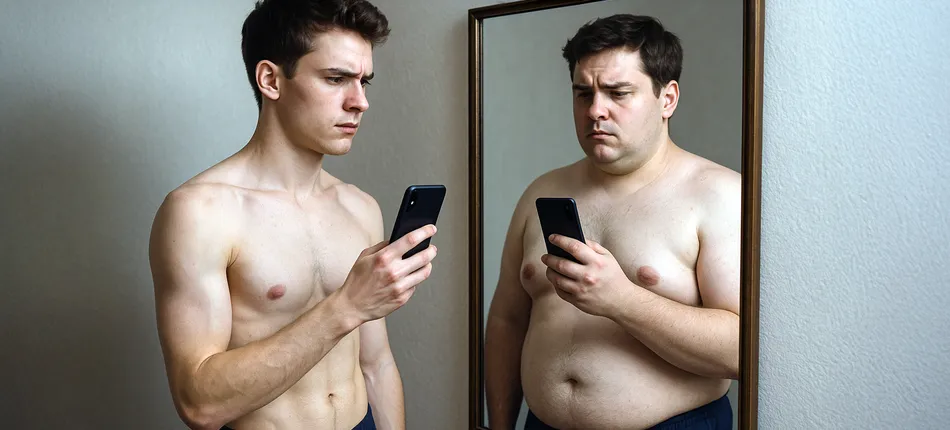
Social media, such as Instagram and TikTok, have become an integral part of young people's lives. However, the seemingly innocent pastime can have serious health consequences. A new study published in the prestigious journal Nutrients (2025, 17(9), 1455) reveals that heavy use of these platforms can negatively affect young people's self-perception and mental health.
A research team led by Matthew Grajek, MD, proved that modern social media creates an image of an "ideal" body, which in reality is difficult to achieve. Filters, beauty apps and the pressure of the number of "likes" create a sense of frustration and complexes in young people.
- Modern media create a very narrowed image of an "ideal" body that is difficult or impossible to achieve, which creates frustration and complexes, explains Matthew Grajek, MD.
Unrealistic patterns and mental health
The problem begins when young people start judging themselves through the prism of online popularity. Idealized silhouettes and retouched photos become a reference point, leading to lowered self-esteem and, in extreme cases, depression and eating disorders.
- Young people judge themselves through the prism of likes, comments and filtered photos of other users, which distorts their picture of reality, Dr. Grajek adds.
Health disinformation - the silent enemy
Another serious problem is the health misinformation spread by influencers and pseudo-experts. As the study's authors point out, young people increasingly derive their knowledge about health and nutrition from social media, where myths and harmful advice abound.
- Young people often get their health knowledge from social media, and there it is rife with myths, pseudo-scientific advice and harmful content, Dr. Grajek warns.
How to counteract?
According to the researchers, preventive measures are needed, especially in schools. Media education, critical thinking and sound health knowledge are key to countering the negative effects of social media use.
- We need to teach young people to distinguish fact from fiction. Digital and health hygiene education is one of the most important challenges today," emphasizes Dr. Grajek.
In view of the growing problem, it is necessary to pay attention to educating young people about responsible use of social media. Sound knowledge and psychological support can help young people build a positive body image, regardless of online trends.
Source: Silesian Medical University