Work is underway to open up new research opportunities for heart regeneration while reducing the use of live animals in research.
Tissues grown in vitro will help replace live animals in research into heart disease

Published March 9, 2022 10:54
Fot. Getty Images/iStockphoto
Research by the University of Surrey and King's College London has shown a new way to recreate what happens in the heart after cardiac arrest. The discovery could open up new avenues for research into heart regeneration while reducing the use of live animals in research.
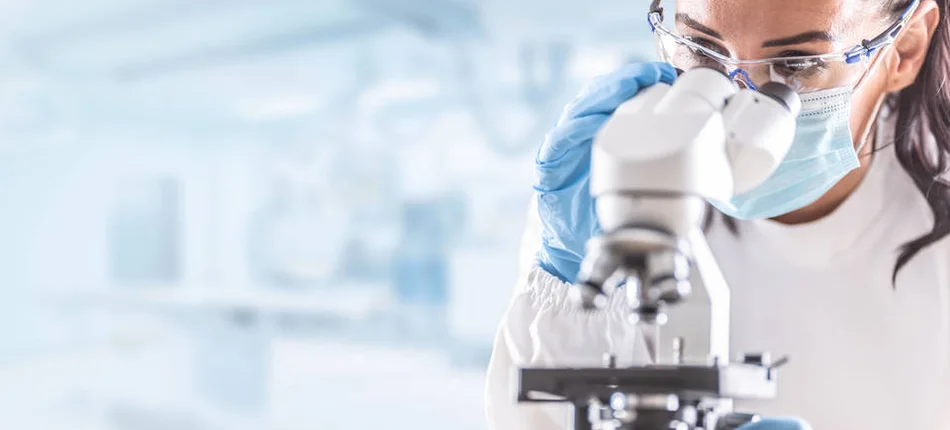
Scientists have developed a process to obtain and grow thin slices of pig heart tissue that include both the epicardium - the outermost layer of the heart that contains cells that can stimulate its regeneration - and the underlying heart muscle .
The team, using appropriate compounds stimulating epicardial cells, achieved an effect comparable to what happens in the heart after a heart attack. The new process was able to reproduce observations normally obtained in live animal models.
Dr. Paola Campagnolo, lead author of the study said: “Our model can help us understand how to stimulate the repair process after a heart attack without using live animals in the study. We hope this solution will lead to better health outcomes for humans and reduce dependence on animal experimentation in cardiovascular disease research. ”
The heart's ability to regenerate after an injury is severely limited by the small number of cells regenerating its tissues. Current research models and strategies to improve the heart repair process rely heavily on surgical procedures performed on laboratory animals. The work, published in the journal npj Regenerative Medicine, , has the potential to advance cardiovascular research while reducing the number of animals used.
Source: ScienceDaily