It is estimated that up to one in eight babies in Poland is premature. According to the Central Statistical Office, 306,155 babies were born in 2022, of which 22,510 were premature births, that is, births that occurred before 37 weeks of gestation. Just a dozen years ago, treating newborns born with a weight of less than 1,500 grams was a challenge for neonatologists. Today, more and more babies weighing less than 1,000 grams are being saved. Newborns born between 22 and 37 weeks' gestation have varying maturity, and this presents multiple, often very complex medical challenges depending on the time of birth, weight, and conditions they come into the world with.
World Prematurity Day
One in ten babies in Europe is premature!

Published Nov. 17, 2023 07:00
Fot. Thinkstock/Getty Images
"A premature baby is a very complicated patient, because in the first minutes after birth all its organs have to adapt to ectopic life," stresses Dr. Beata Borek-Dzięciol neonatologist at the Children's Clinical Hospital UCK WUM. The health status of a premature baby at birth defines its further development."
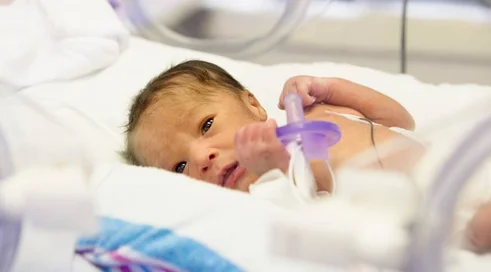
The birth of a baby long before the planned date, whose weight is less than 500 gr, can cause numerous developmental problems and, above all, a real threat to his life. Thanks to the development of neonatology, it is increasingly possible to save such small children. The Polish Society of Neonatology as well as most of the world societies in their recommendations recommend taking life-saving measures for premature babies from 22/24 weeks of pregnancy. With regard to newborns born at this time, the principle of "life first" has been adopted. This is to ensure a maximum chance of survival and the performance of appropriate diagnostics in the first "golden hour of life."
The most difficult issue concerning extremely extreme preterm infants, that is, those born between the 22nd and 27th weeks of gestation, having drastically low birth weight and an extremely immature body, and therefore on the brink of survival, are the ethical problems of keeping them alive. Possible birth defects are an additional complication. It is increasingly advisable to take an individual approach to such a patient and evaluate all factors that affect the prognosis of the child's life and development. According to studies conducted over the past 10 years around the world, the conclusions show conclusively that, despite the progress of medicine and the development of apparatus, the survival limit remains at 22/24 weeks. And for the time being, it is impossible to lower it. Dr. Beata Borek-Dzięciol explains that "saving the youngest and smallest premature babies sometimes raises ethical questions, especially when they are very immature or have birth defects. These are very difficult dilemmas for a doctor, but we don't have the legal tools to deviate from this. In accordance with the recommendations of the Polish Neonatal Society and the WHO, we save all babies born prematurely, but we put them into a so-called waiting period, that is, we turn on medical procedures and watch what happens next." This is a particularly difficult time for medical personnel and parents.
Progress in saving babies could not have been achieved without such important milestones as the invention and later - the introduction into widespread use - of surfactant (a complex of phospholipids and proteins), a preparation administered directly into the lungs that promotes their decompression and easier breathing. The invention of the incubator, ventilator and other methods of respiratory support, as well as prenatal administration of steroids and the possibility of parenteral nutrition are keys to progress. The future of modern neonatology is prenatal surgery and gene therapy.
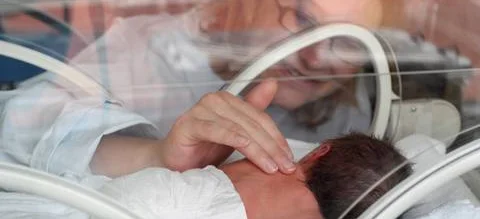
Raising awareness in society, among parents and medical professionals about the care of premature babies is still necessary in Poland and around the world. Education in this area is of great importance for proper, coordinated, specialized care affecting the development of the child not only while in the incubator but in the following months and first years of life. Nowadays, also the care of parents in the therapeutic process of a premature baby has an important place. There is no doubt how important feeding with breast milk and kangarooing, i.e. direct skin-to-skin contact between mother and child, are for the development of the newborn. This provides the baby with a sense of security and reduces postnatal stress. Guaranteeing children the chance for proper development both medically, rehabilitation and family care is the essence of World Prematurity Day.