Ketogenic diet in Hashimoto's disease? - Part 1.

Published Oct. 30, 2023 09:00

Fot. arch. red.
Hypothyroidism in Hashimoto's disease
Hypothyroidism is one of the most common hormonal problems in the world, and Hashimoto's disease is one of its main causes. Modern medicine offers us various treatments for hypothyroidism, including pharmacotherapy - thyroid hormones and also dietary changes. In recent years, the ketogenic diet has gained popularity as an alternative form of nutrition, which necessarily leads to important questions about its impact on our health and the health of people with hypothyroidism in the course of Hashimoto's disease.
Ketogenic diet - What is it!
The ketogenic diet, often, abbreviated as the "keto diet," is a special way of eating that focuses on consuming small amounts of carbohydrates, moderate amounts of protein and plenty of fats. The main goal of the ketogenic diet is to put the body into a state called ketosis, in which our body reprograms itself to burn fat, which is used, as the main source of energy. This is a state that, always to the surprise of some in the audience, can have a beneficial effect on people who are overweight, have type 2 diabetes and epilepsy.
The purpose of my article today was not only to scientifically conduct a comprehensive analysis of the effects of the ketogenic diet on the health of patients with hypothyroidism in the course of Hashimoto's disease. I also decided to look for answers to questions that are most often asked by patients, but less often by patients.
Does the ketogenic diet affect metabolism, and if so, how?
Does the ketogenic diet affect antibody levels? If so, which ones and to what extent?
Does the ketogenic diet make it easier to maintain a healthy body weight?
How long is the ketogenic diet safe for people with hypothyroidism?
What results can be obtained by following this diet in the context of hypothyroidism in Hashimoto's disease?
In the following sections of my article, I will try to lean on each of these questions, and in providing answers, I will try to rely on verified scientific data.
The role of the thyroid gland
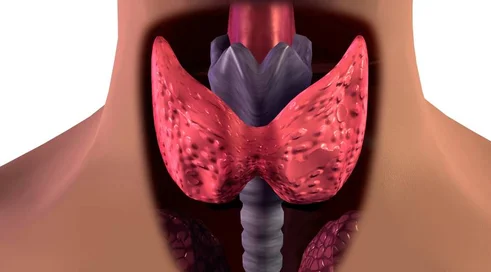
The thyroid gland is a small but extremely important gland located in our body. It produces thyroid hormones, such as thyroxine (T4) and triiodothyronine (T3), which regulate many metabolic processes. These hormones control the metabolic rate, or how much energy the body uses for basic functions such as respiration and digestion. In hypothyroidism, the production of these hormones is too low, which can lead to a decrease in our metabolic rate and other health problems.
Effects of hypothyroidism on metabolism
Hypothyroidism, especially in the context of Hashimoto's disease, has a significant impact on our body's metabolism. Patients with this disease often experience reduced metabolic activity, which manifests itself, among other things, as fatigue, weight gain, a perceived decrease in energy and also a feeling of constant cold. All these symptoms are about the result of low concentrations of thyroid hormones, which regulate the metabolic rate.
Does the ketogenic diet affect our metabolism?
By introducing a ketogenic diet into our diet, the body switches to using fat as the main source of energy, producing so-called ketone bodies in the process. This, in turn, affects metabolic processes, but we should wonder whether this can be beneficial for hypothyroid patients?
Scientists have conducted many studies on the effects of the ketogenic diet on metabolism, but the results are sometimes even contradictory. Some studies suggest that the keto diet can speed up metabolism and help maintain a healthy body weight, which would actually benefit hypothyroid patients. However, studies by other authors do not support these benefits and suggest that the keto diet may have negative effects on thyroid function. So, what to do? To be KETO or not to be, that is the question!
Discussing, this very interesting topic, it is worth noting that every body responds differently to a ketogenic diet, and its effects can vary depending on many factors, including genetic factors, lifestyle and overall health. Therefore, individualization of therapy is really key, and the specialist caring for us should approach the diet together with us and tailor it to our individual needs.
Why is individualization of therapy crucial?
For patients with hypothyroidism in the course of Hashimoto's disease, choosing the right diet can be a really difficult challenge. The effects of a ketogenic diet on the body can vary, and what works in one case may not actually be appropriate for another. That's why individualization of therapy is key. This is what makes it so that the diet that suited our friend won't work for us, and our body plays a key role in its effect on us.
An improperly balanced diet, especially in the case of hypothyroidism, can lead to a further decrease in metabolic rate, weight gain and other health problems. That's why it's important for everyone to work with their treating specialist to tailor their diet to their individual needs and condition.
The role of the specialist doctor
An experienced endocrinologist, often in collaboration with an experienced nutritionist, plays a key role in the process of selecting the right nutritional therapy for a patient. Based on laboratory tests and clinical evaluation, only a doctor can accurately determine whether the keto diet will indeed be the right one for us. If he is in charge of the diet, he will tell us what dietary changes are needed to make our diet a keto diet. More often than not, in practice, he will refer us to an experienced dietitian who will take care of selecting the diet and modifying it if necessary.
Individualizing therapy includes determining the appropriate proportions of ingredients, such as carbohydrates, protein, or fat, and the caloric content of the diet. For patients with hypothyroidism, it is really important that the diet provides the necessary nutrients and maintains a normal body weight and supports drug treatment.
Consultation with a nutritionist
For patients considering a ketogenic diet, it is worth consulting a nutritionist who specializes in the keto diet once the doctor has agreed to implement such a diet. A nutritionist can help develop a balanced diet plan that meets the patient's individual needs.
It is worth remembering that consultation with a nutritionist is especially important if you have hypothyroidism, as the keto diet can be difficult to balance on your own. If you are unsure of your dietary knowledge, leave it to a professional. Sometimes a doctor will help in the selection of the diet, although due to lack of time, it is worthwhile, after getting his approval, to go straight to an experienced dietitian, who can help in the selection of appropriate sources of protein, fats and carbohydrates, so that the diet is complete and properly balanced.
Safe introduction of the keto diet
It is worth knowing that the introduction of a ketogenic diet is actually not a simple process, especially for patients with hypothyroidism in the course of Hashimoto's disease. That's because the keto diet is often even based on a drastic reduction in carbohydrate intake and an increase in the supply of dietary fats. This process can affect the body's metabolic functions and, consequently, the work and function of our thyroid gland.
If a patient with Hashimoto's disease decides to go on a ketogenic diet, there are certain steps that can be taken to make its introduction safe.
- Consultation with an endocrinologist/diabetologist: As I've mentioned before, it's always a good idea to consult with your doctor before starting a keto diet, who can assess your health. People with Hashimoto's disease may have additional risk factors to consider. Please keep in mind that it's always a good idea to be truthful/confident in these situations, which we do in our own best interest.
- Monitoring the concentration of ketone bodies: A key element of the ketogenic diet is to achieve a state of ketosis, in which our body switches to using fat as the main source of energy. Therefore, it is important to regularly monitor the concentration of ketones in the blood or urine. You can do this yourself, for example, using commercially available tests.
- Gradual introduction of the diet: The introduction of the ketogenic diet is best started gradually so that the body has time to adapt to the new diet. You can start by limiting carbohydrates and gradually increasing fats. These types of changes are worth making slowly.
Patients with hypothyroidism should have regular checkups to monitor their health and, in case of doubt or concern, report their complaints to the person in charge of modifying our lifestyle. The tests should include, among other things, the levels of thyroid hormones, antibodies such as anti-TPO and aTg, or the levels of other important indicators, as reported by the specialist in charge.
- A nutritionist can help develop a diet plan that meets the individual needs of the patient. Usually doctors are so busy that they don't want to or just don't deal with diets, although there are exceptions, and as you know, sometimes , with free time of course, such a diet will be easily arranged for you by a diabetologist who has some familiarity with dietetics. But, let's not kid ourselves, it is the cooperation with a good and proven dietitian specializing in the ketogenic diet that can make the introduction of the diet much easier.
Dr. n. med. Marek Derkacz, MBA