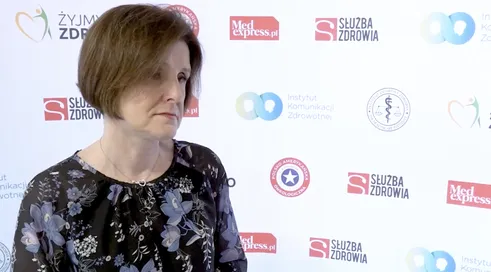
The 65+ List has reduced the problem of treatment discontinuation due to financial reasons among seniors and improved access to modern therapies for this group of patients — says Dr. Małgorzata Kupisz-Urbańska, M.D., from the Geriatrics Clinic and the Department of Gerontocardiology at the Central Medical and Research Institute (CMKP). According to the specialist, any potential reduction in the list of free medications could raise concerns among seniors, who have particular difficulty adapting to change and fear the interruption of effective treatment.
HEALTH SUMMIT 2026
Dr. Kupisz-Urbańska on the 65+ List: Seniors Have a Harder Time Adapting to Change

Published June 23, 2026 07:01
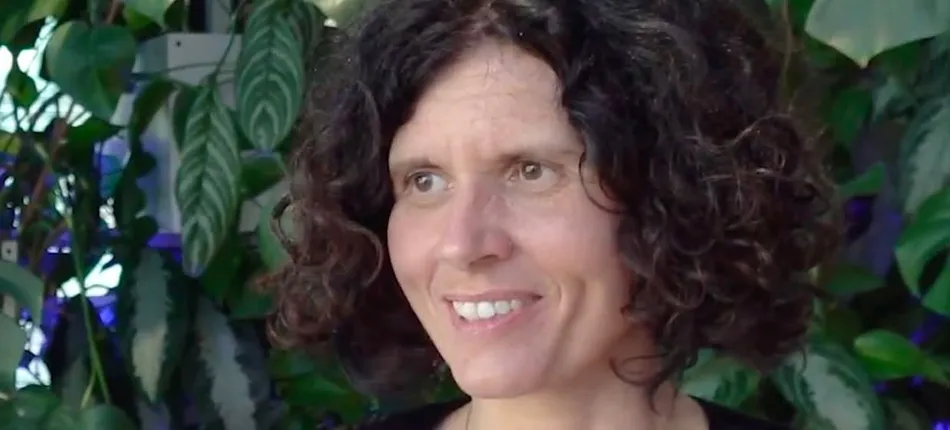
September will mark ten years since the introduction of the so-called “S List.” According to Małgorzata Kupisz-Urbańska, M.D., Ph.D., the program has proven to be particularly important for older patients. “ I think it’s a very good program, especially for older patients, whom I work with every day. It’s also a good program from a medical perspective because it solved the problem of low adherence due to costs, ” she says.
As the specialist points out, many patients used to discontinue treatment because they couldn’t afford it. In her view, the 65+ list has also increased seniors’ access to modern medications. “As doctors, we’re not afraid to prescribe these new medications to patients because we know they can actually afford them and use them, ” she notes.
The expert also points out that patients feel more confident knowing they have access to treatment. “I’ve heard this from patients who simply come back and are less afraid. They’re less afraid that they’ll have to interrupt their treatment, ” she adds.
Referring to reports about the possible removal of some medications from List S, Dr. Kupisz-Urbańska emphasizes that seniors have a particularly hard time coping with change. “ Absolutely, and we see this very clearly in older people.” Older people—and this is part of the physiology of aging—have a harder time adapting to change, and that’s what they fear. There’s nothing pathological about this; it’s simply a stage of life in which fears intensify, partly due to reduced functional reserve.” “Older patients are afraid because they don’t know what will happen. They’re afraid of continuing their treatment because they’ve often had to switch medications due to unavailability or cost. They’re afraid of change, yet at the same time they often feel well on their current treatment, ” she points out.
In her view, a cautious and individualized approach is key when modifying treatment for older adults. “In geriatrics, we say that personalized treatment is essential, and any changes—if necessary—should always be tailored and implemented more gradually than in younger populations,” she emphasizes.
The expert also highlights the program’s potential for further development and its importance for long-term treatment outcomes. “Yes, I think I understand pharmacoeconomics, of course, but there’s also another side to it.” Patients who are well-treated are those with fewer complications who live longer in good functional health. Expanding the list and diversifying it to some extent—the ability to select the right medication for each patient—gives doctors greater flexibility. We don’t have to choose between efficacy and accessibility; instead, we can continue optimal treatment. For both patients and doctors, this is a beneficial tool that improves not only adherence but also the long-term outcome of treatment. We must also consider the perspective of older adults over the long term, not just in the short term,” he concludes.