The Health Ministry will provide guidelines for updating the lists of free medicines within two weeks and changes to the lists (primarily the list for seniors) will occur with the publication of the next reimbursement list in October.
MZ prepares changes for "S" list

Published June 12, 2026 11:22

Fot . Robert Robaszewski / Agencja Gazeta
Thursday's conference, which presented the draft July reimbursement announcement and two lists with drugs that can count on faster funding decisions, was devoted in part to a topic that has been heating up public opinion for months - changes to the list of drugs for seniors. Their introduction was signaled as early as last fall, but the Health Ministry has so far failed to make a decision. In recent weeks it seemed that the changes were imminent and we would learn about them when the July list was presented, but this time, too, there is talk of postponing the cuts.
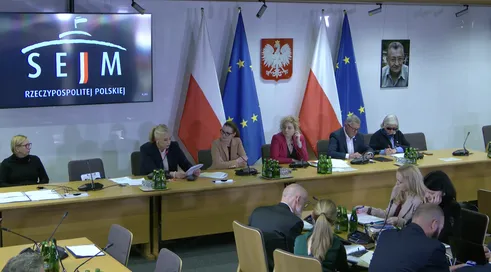
At the same time - there were specifics. The ministry said it would present guidelines for updating the lists of free medicines within "a week, two at the most." The Deputy Health Minister left no doubt about the direction of the changes. - The Ministry of Health reimburses patients for therapies, not specific commercial products, she stressed, explaining that the ministry has not only the right, but also the duty to analyze public spending on medicines. She pointed to a report by the Supreme Audit Office (NIK), which reproached the ministry for its lack of such analysis and questioned the advisability of certain decisions.
Decisions whose financial impact is counted in billions of zlotys: in 2025, the cost of the free drug program for seniors exceeded PLN 3.4 billion, and the overall reimbursement expenditure for the 65+ group exceeded PLN 9 billion. The latter amount is also significant, because the lack of subsidies from patients means that the incentive to use cheaper equivalents practically disappears, since the most expensive preparations are available "for free."
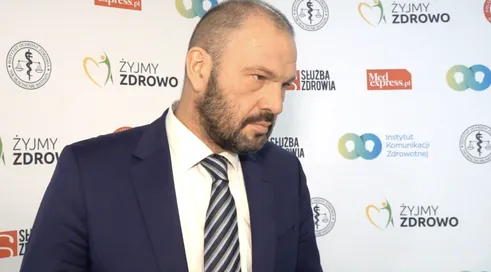
Mateusz Oczkowski, director of the Drug Policy Department of the Ministry of Health, assessed that for the past ten years, the provisions of the Reimbursement Act, designed to force price competition, have remained dead in practice The program of free drugs for seniors has been in effect in Poland since 2016, when it covered people over 75, 2023 the threshold was lowered to 65). The problem is exacerbated by dysfunctional solutions (annual prescriptions) that generate or at least amplify the problem of wasting medicines, if only through stockpiling.
According to Oczkowski, the 65+ list exacerbates social inequalities: some seniors take full advantage of the program and pay nothing extra at the pharmacy for drugs prescribed by doctors under reimbursement, while others continue to pay crores as their drugs await reimbursement decisions. And if there is no savings, they could be waiting for a long time to come.
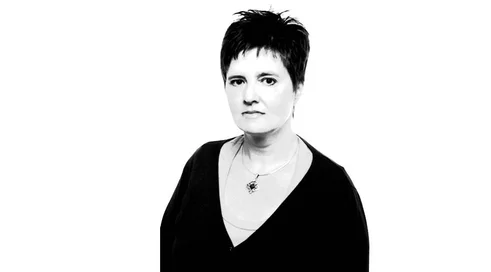
However, it's hard to hide the fact that the announcements of the changes themselves raise a lot of concern in the patient community, especially since the information provided so far does not answer all questions. During the "Health Summit" conference (June 9, Warsaw), Monika Kaczmarek, president of the Polish Association of Diabetics, said bluntly that patients report to doctors and ask for prescriptions because they want to secure their supply of the preparations they have been taking so far. - Patients are not, cannot be, also sure that the equivalents that remain on the list will serve them, she concluded.
Another important announcement in the area of reimbursement: the automation of the reimbursement process announced (by the Ministry of Health) and demanded (by doctors) is to start on July 1. It should solve the lion's share of problems with erroneous marking of payment levels. But how it will look in practice, doctors (and patients) will find out in a little over two weeks.