Scents have extraordinary power to influence our emotions, mood and well-being. Scientists have long studied how they affect the nervous system, particularly the neurotransmitters responsible for our emotions. What's more, properly chosen scents can act as a natural antidote to stress and improve quality of life.
How do smells affect brain chemistry and mood?

Published Jan. 15, 2025 12:04
Fot. Getty Images/iStockphoto
Odors vs. neurotransmitters
Our reactions to smells are not random. The sense of smell connects directly to the limbic system - the center of emotion in the brain. Key neurochemical processes depend on what aromas we perceive:
- Lavender and bergamot: Stimulate the production of serotonin and dopamine - the hormones of happiness. Their effects are comparable to natural antidepressants.
- Orange and rose: Lower levels of cortisol, the stress hormone, leading to feelings of relief and relaxation.
- Ylang-ylang: Enhances the action of the neurotransmitter GABA, responsible for relaxation and sedation.
Fragrances in the fight against stress
Some aromas have proven anti-stress effects. Here are some examples:
- Lavender: Relaxes, lowers heart rate and blood pressure, and improves sleep quality.
- Peppermint: Relieves headaches and stress-related tension.
- Citrus: Has a stimulating effect, reducing anxiety and adding energy.
Fragrances in daily rituals
Introducing scented rituals into your daily life is a simple way to improve your mood:
- Mornings: Inhalation of citrus oils (e.g., orange) boosts energy and improves concentration.
- Evenings: Taking a bath with a few drops of lavender oil helps calm you down before bed.
- Relaxation: lighting a scented candle with notes of vanilla or sandalwood builds an atmosphere of peace and harmony.
- Meditation: combining mindfulness with aromatherapy (e.g., the smell of incense) enhances feelings of relaxation and focus.
Fragrances of happiness in a bottle
Not only natural oils, but also perfumes can affect brain chemistry. This is because scents are associated with pleasant memories, image building and mood enhancement. Choosing the right perfume can help you express yourself and create the desired atmosphere. Here are some suggestions inspired by iconic compositions:
- Made in Lab 16: For women who want to emphasize elegance and luxury. The combination of neroli, lemon and raspberry with jasmine and honey creates a fragrance that attracts attention and arouses admiration. It's perfect for evening outings or days when you want to feel special.
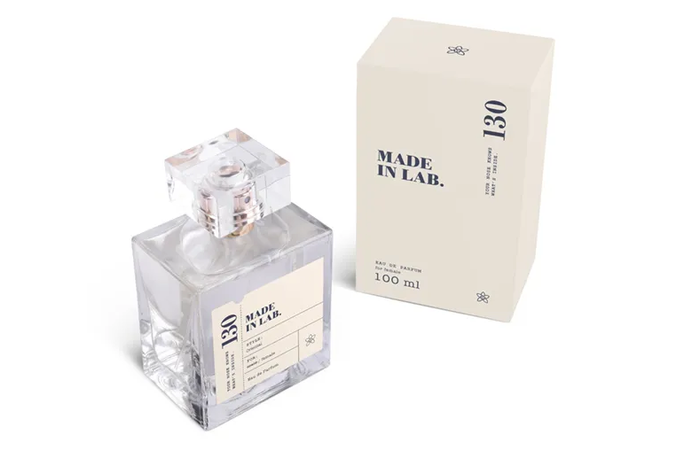
- Made in Lab 130: Exotic passionflower, vanilla and vetiver are notes that transport you to a world of sensuality and sophistication. Ideal for women who appreciate the subtlety and longevity of the fragrance. Perfect for romantic evenings and special occasions.
- Made in Lab 36: The power of bergamot, pepper, cedar and cocoa encapsulated in an oriental-woody composition. This is a fragrance for bold men who want to emphasize their self-confidence and charisma. A perfect choice for any occasion - from daily challenges to evening outings.
Scents have a real impact on our brain chemistry, from mood enhancement to stress reduction. With aromatherapy or perfume, we can not only take care of our well-being, but also create a more harmonious space around us.
Source: based on press release