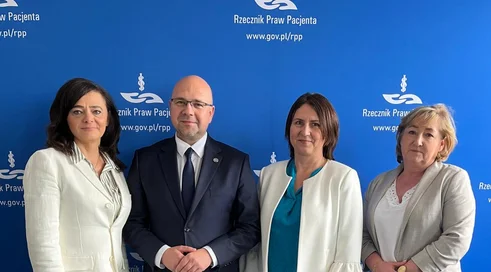
The election of the President of the Republic of Poland is an important civic event, but for patients in psychiatric wards, participating in the vote can present a number of challenges. Deputy Ombudsman Stanislaw Trociuk asked provincial consultants in psychiatry how psychiatric facilities are preparing for the event. The Ombudsman's Office has already received 33 responses outlining activities and good practices to enable patients to vote.
Participation of psychiatric ward patients in presidential elections: challenges and good practices

Published May 15, 2025 08:17
fot. iStock
The Speaker of the Polish Parliament has ordered the election of the President of the Republic for May 18, 2025. For most citizens, this is a moment to express their voice and influence the fate of the country. However, for patients in psychiatric wards, especially those in closed or intensively monitored units, the realization of this constitutional right can be problematic.
Problems and challenges
People in psychiatric wards often face difficulties in casting their vote. These problems arise, among other things, from the need to leave ID cards on deposit or restrictions on leaving the ward. This is especially true for patients experiencing mental crises, psychotic states, disorientation or other symptoms requiring special care and monitoring. Although these individuals are not incapacitated, medical staff are often concerned about them going to the polling place on their own.
Activities and good practices
In response to questions from the Deputy RPO, provincial consultants and facility managements indicated various solutions to enable patients to participate in elections. Among them are:
- Cooperation with government officials and electoral bodies in organizing voting at hospitals.
- Enabling patients to vote in polling places adapted to the needs of people with disabilities.
- Informing patients about the opportunity to vote and holding educational meetings in the wards.
- Release of ID cards held in hospital depositories on election day.
- Provide staff care on the way to the polling station.
- Use of mobile urns in situations where patients cannot leave the ward.
- Individual assessment of patients' health status in the context of their ability to participate in voting.
Thanks to these measures, patients have a chance to exercise their right to vote, even though their health situation may create difficulties in exercising it. The deputy RPO said he would continue to monitor the situation and support the resolution of problems reported by psychiatric facilities.
Source: RPO