A study published by Nature found that the use of CAR-T cell gene therapy was effective in treating leukemia and keeping the disease in remission for over 10 years in two people.
CAR-T therapy: Over 10-year remission in two patients with leukemia

Published Feb. 11, 2022 13:52
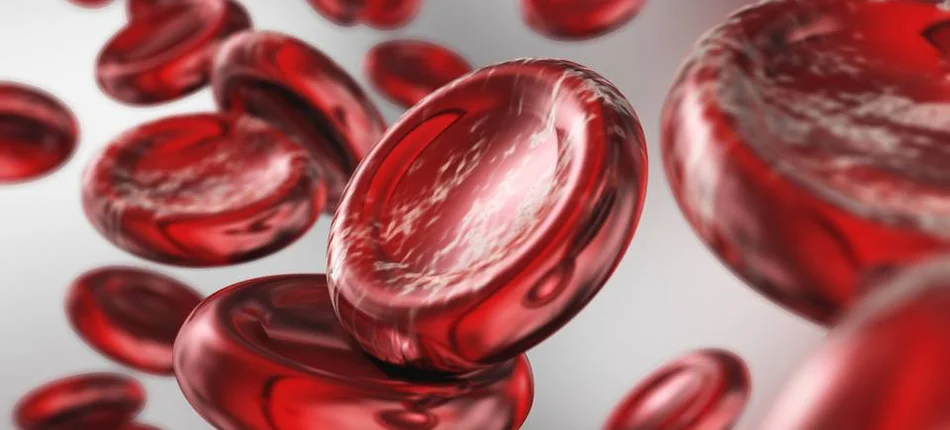
Thinkstock/GettyImages
CAR-T Gene Therapy
Cancer is a general term for a group of serious medical conditions that affect millions of people around the world. Scientists are constantly working to develop new treatments that would not only extend the life span of patients, but even lead to complete recovery. A relatively new, but very promising area is immunotherapy, the aim of which is to modify a patient's immune system to successfully cope with cancer.
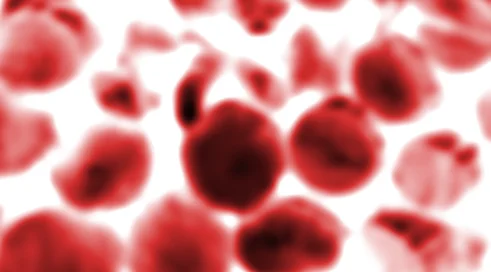
The most modern and advanced form of immunotherapy is CAR-T cell-gene therapy, which consists in separating T lymphocytes from blood taken from a sick person and then genetically modifying them in such a way. way for these to fight cancer cells. The modified cells are returned to the patient's body, where they begin to eliminate the cancer cells.
To date, the FDA has approved five CAR-T cell therapies, but it is known that the use of therapies to treat various types of cancer is ongoing.
One of the unknowns with CAR-T therapy is its long-term effectiveness. This is the question that the authors of the above-mentioned study, which included patients with chronic lymphocytic leukemia, tried to answer.
Remission over 10 years in patients with chronic lymphocytic leukemia
Chronic lymphocytic leukemia (CLL) is a form of cancer that affects white blood cells and begins in the bone marrow. In adults, it is the most common type of leukemia. This study investigated the long-term effects of treating cancer with CAR-T cells in two people with CLL.
His results showed complete remission in both of these patients, which was maintained over 10 years after treatment. Moreover, after this time, scientists were still able to detect CAR-T cells in patients' bodies.
While the results of this study are promising, the sample of two participants is too small to draw any far-reaching conclusions, so it is not necessary to continue research into the use of CAR-T in treatment PBL, the author of the study, Dr. J Joseph Melenhorst from The Perelman School of Medicine at the University of Pennsylvania
Source: MTN