The World Health Organization has declared the outbreak of Ebola hemorrhagic fever caused by the Bundibugyo virus (BVD) in the Democratic Republic of Congo and Uganda a public health emergency of international concern. As of mid-May, 77 suspected cases and 67 deaths had already been reported, according to the General Sanitary Inspectorate. WHO assesses the risk as high at national and regional levels.
Ebola outbreak in DRC and Uganda. GIS reports high regional risk

Published May 19, 2026 08:42
Thinkstock/GettyImages
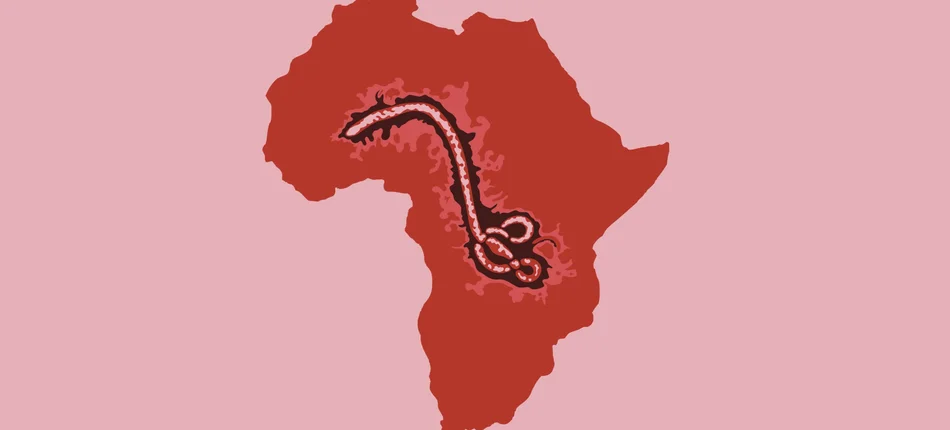
The Chief Sanitary Inspectorate has reported an outbreak of Ebola hemorrhagic fever caused by the Bundibugyo virus (BVD) in the Democratic Republic of Congo and imported cases in Uganda. On May 16, 2026, the WHO Director-General, acting in accordance with the International Health Regulations (IHR), declared the situation a public health emergency of international concern (PHEIC). The decision was made after consultations with affected countries. WHO assesses the risk associated with the current outbreak as high at the national and regional levels, but low globally.
Four health care workers died within days
According to the GIS, on May 5, 2026, the WHO received an alert for an unknown disease with a high mortality rate in the Mongbwalu health zone in Ituri province in the Democratic Republic of Congo. Four health workers there died within four days. On May 13, a rapid response team launched an epidemiological investigation in Mongbwalu and Rwampara Health Zone. Two days later, the illnesses were confirmed to be caused by the Bundibugyo virus. By May 15, 77 suspected cases and 67 deaths had been reported in two DRC health zones - Rwampara and Mongbwalu - as well as the Bunia Health Zone. Sixty-five contacts were also identified, 15 of whom were considered high-risk contacts.
GIS stresses that epidemiological efforts are hampered by the unstable security situation and restrictions on movement. Some of those in contact developed symptoms and died before isolation. Most of the suspected cases involve people between the ages of 20 and 39, and more than 60 percent are women. According to experts, this may indicate significant transmission of the virus in households and while caring for sick family members.
Cases also in Uganda
On May 15, Uganda's Ministry of Health informed WHO of a laboratory-confirmed case of Bundibugyo virus disease in an elderly DRC resident who had traveled to Uganda for medical attention. Within the next 24 hours, a second case was detected in a person traveling from the Democratic Republic of Congo.
The incident is currently being evaluated as imported cases, with no evidence of local transmission of the virus in Uganda. An investigation is underway to determine the source of the infection and routes of spread.
What is the Bundibugyo virus?
BVD is one variant of the Ebola virus that causes severe hemorrhagic fever. The virus is transmitted to humans through contact with the blood or secretions of infected wild animals, including bats and monkeys, and can then spread between humans.
The incubation period ranges from 2 to 21 days. Until the onset of symptoms, the infected person is not contagious. The disease usually begins suddenly - with fever, severe weakness, muscle pain, headache and sore throat. Vomiting, diarrhea, rash, kidney and liver failure, and internal and external bleeding may also occur.
In previous BVD outbreaks in Uganda and the DRC, the mortality rate has ranged from 30 to 50 percent. The last outbreak of this Ebola strain was reported in 2021 in the Democratic Republic of Congo - 59 cases were reported then, including 34 deaths.
The WHO notes that unlike the Ebola Zaire virus, there is currently no approved vaccine or specific treatment against the Bundibugyo virus. However, research efforts are underway to develop effective therapies and prevention methods.
Source: GIS