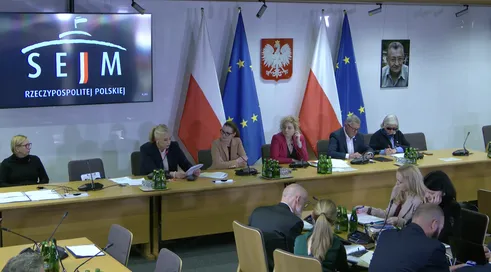
Two weeks after the first report on irregularities at the Southern Hospital was published, the health minister spoke out on the matter, emphasizing that the government had responded immediately and that the ongoing inspections would allow for conclusions to be drawn and the necessary changes to be implemented.
Pay raises, audits, and salary caps. A busy week in healthcare

Published June 26, 2026 07:12
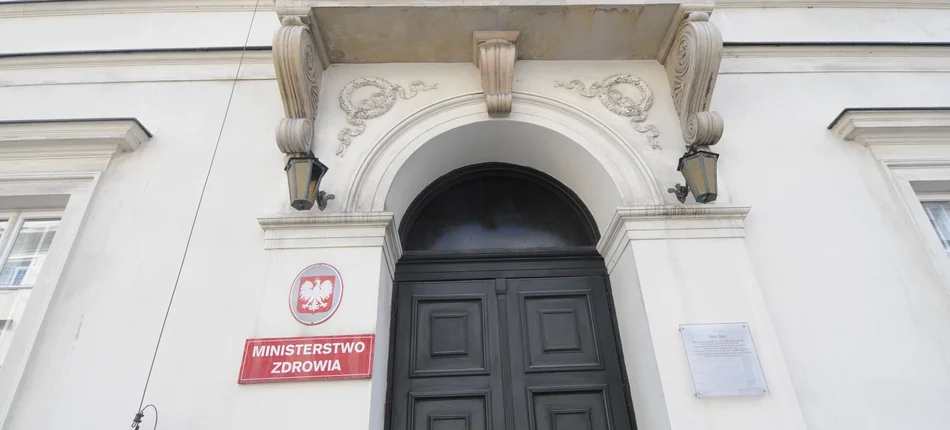
Fot. Jacek Sielski
One of the changes has already begun—on Thursday, the Senate passed a bill without amendments that allows contracts to be linked to the PESEL number. The bill will now go to the president. The Ministry of Health boasted on social media that it is increasing pay transparency in the healthcare sector—although the bill does not directly address this issue. However, it will be an important step toward determining what the actual pay structure for workers in this sector looks like. These analyses are intended to serve as a starting point for further changes. What kind of changes?
On Thursday, Jolanta Sobierańska-Grenda spoke about a plan to eliminate “place-based” pay scales, which would be possible after introducing a cap on earnings (primarily for contract workers), and about the fact that one of the ideas —which was discussed with the social partners—is to impose a restriction on hospitals: they would be allowed to allocate a specific percentage of their budget to labor costs.
However, before such changes—if any—take effect, the Ministry of Health must first deal with this year’s pay raise initiative. The recommendation from the president of AOTMiT was submitted to the ministry on June 9, but a decision has yet to be made, and the minister has stated that she needs additional analysis. There may be two reasons for this—and perhaps both are at play.
It is true that this year—as we already know—the minimum option will be implemented (up to 4.5 billion PLN by the end of 2026), but perhaps the Ministry of Health will opt for the “extreme” version of the minimum option, which is approximately 1.2 billion PLN cheaper than the basic recommended option. This is due to a lack of funds and a lack of political will to allocate money to hospitals at a time when the public is being bombarded not only with reports about the earnings of individual doctors but also with serious allegations of negligence that may have occurred in emergency departments. The fact that the inspections—both the one by the National Health Fund (NFZ) and the one commissioned on Wednesday by the Ministry of Health to a national consultant in emergency medicine and the Mazovia Province Governor—concern two hospitals (where the “millionaire doctor” worked in the ER)—does not, unfortunately, prevent commentators from making far-reaching generalizations.
A decision on funding the pay raises—as well as the operational details—should be announced before July 1, and it is likely to further heighten tensions surrounding healthcare issues.